The Tempietto after the Lombards
The Tempietto Longobardo Becomes the Oratory of the Monastery of Santa Maria in Valle
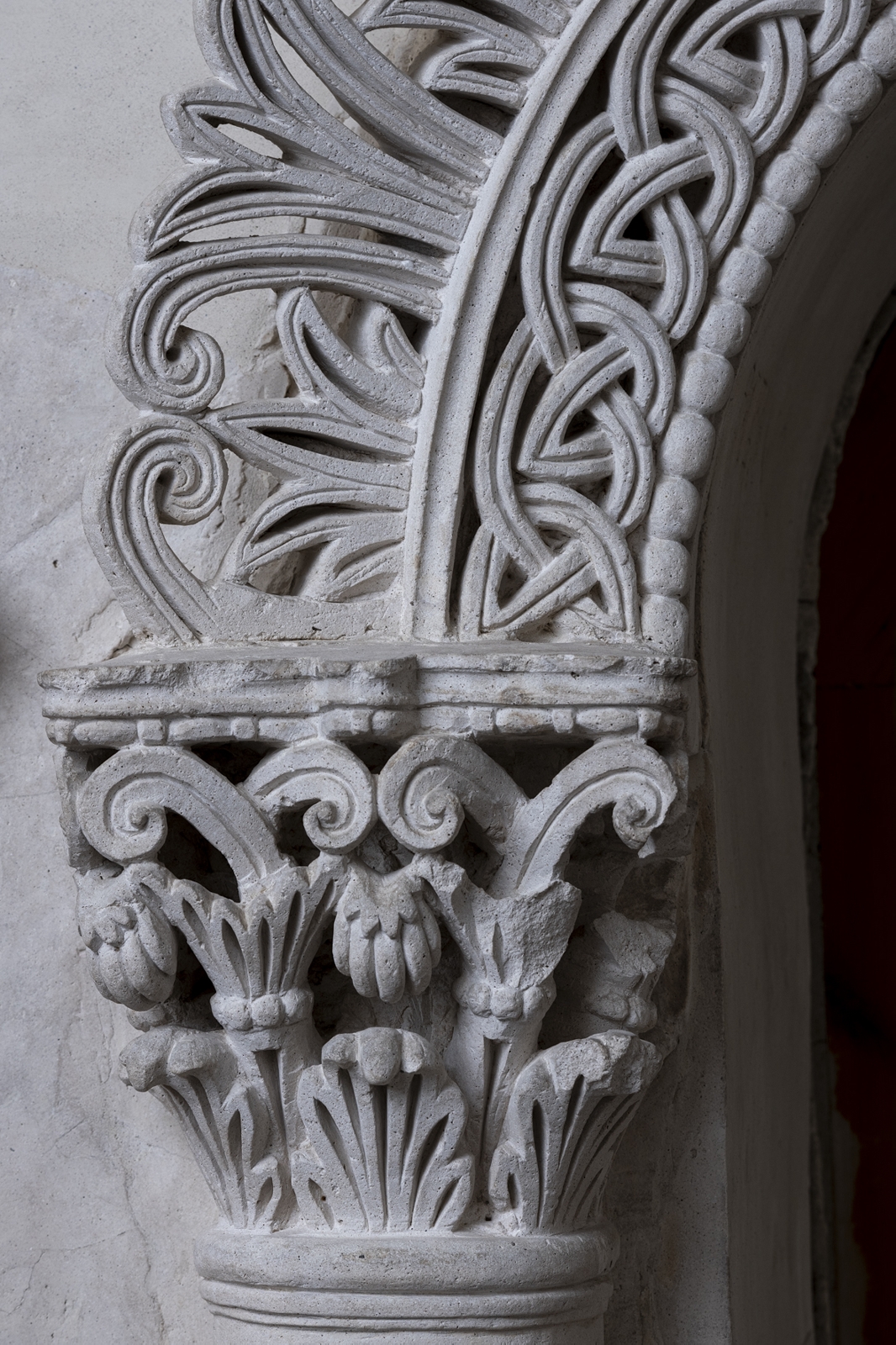
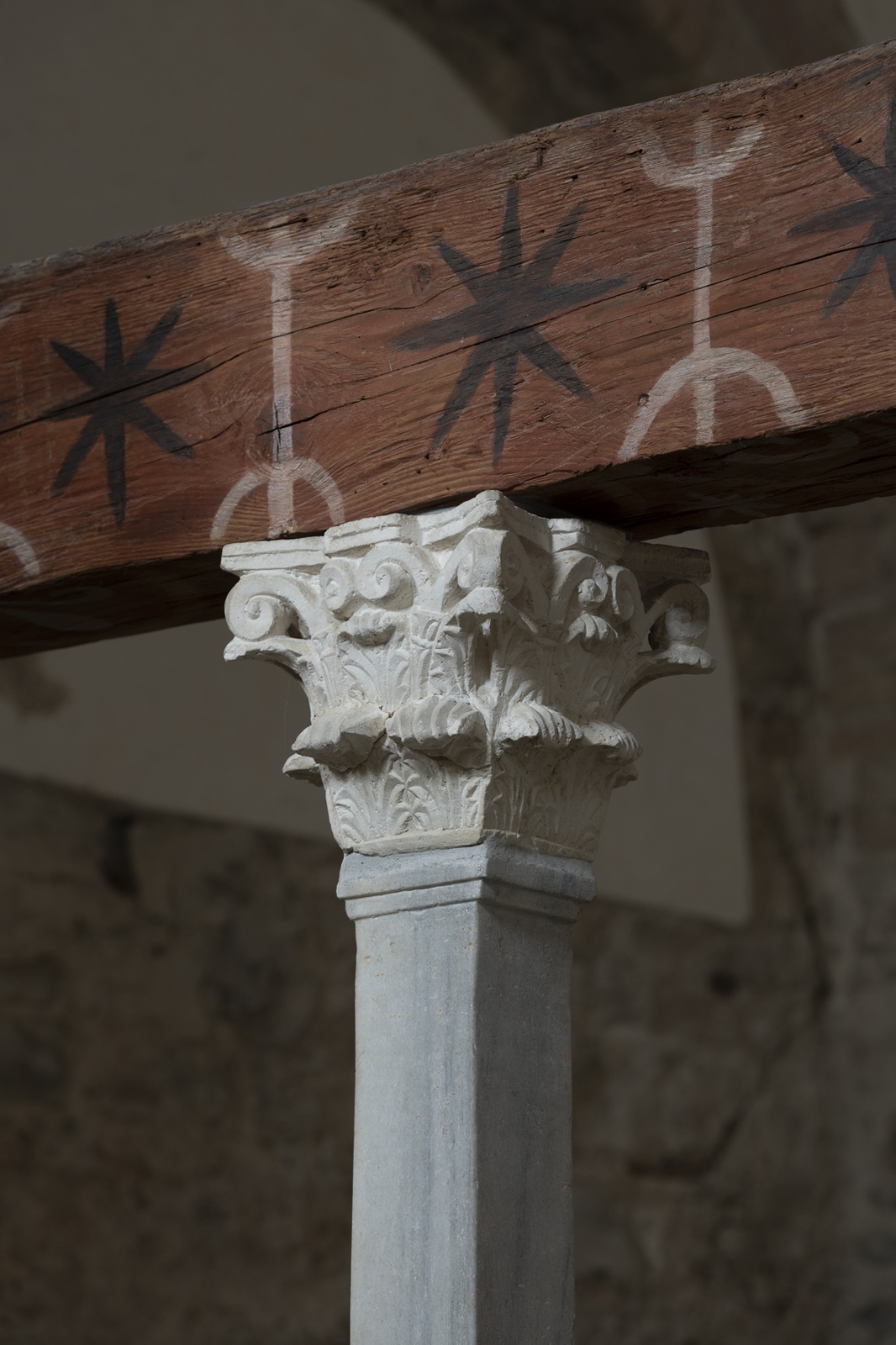
The Tempietto Longobardo as we see it today is the result of a long sequence of structural and decorative renovations carried out over the centuries. These works have contributed first to its transformation, and later to its preservation.
After the Lombard period, the royal palace chapel became a monastic oratory. The Tempietto was incorporated into the newly founded Monastery of Santa Maria in Valle, built on the adjacent land from the late 8th century onward.
This is the reason why the Tempietto Longobardo is also known as the Oratory of Santa Maria in Valle.
Discover How the Tempietto
Changed over the Centuries
How can we observe the external and internal metamorphosis that has shaped the Tempietto over the centuries? Through two distinct visitor routes, each one offering complementary viewpoints and guiding us on an evocative and fascinating journey through the Tempietto’s history, amid art, frescoes, decorations, architectural developments, real-life stories and still unresolved mysteries.
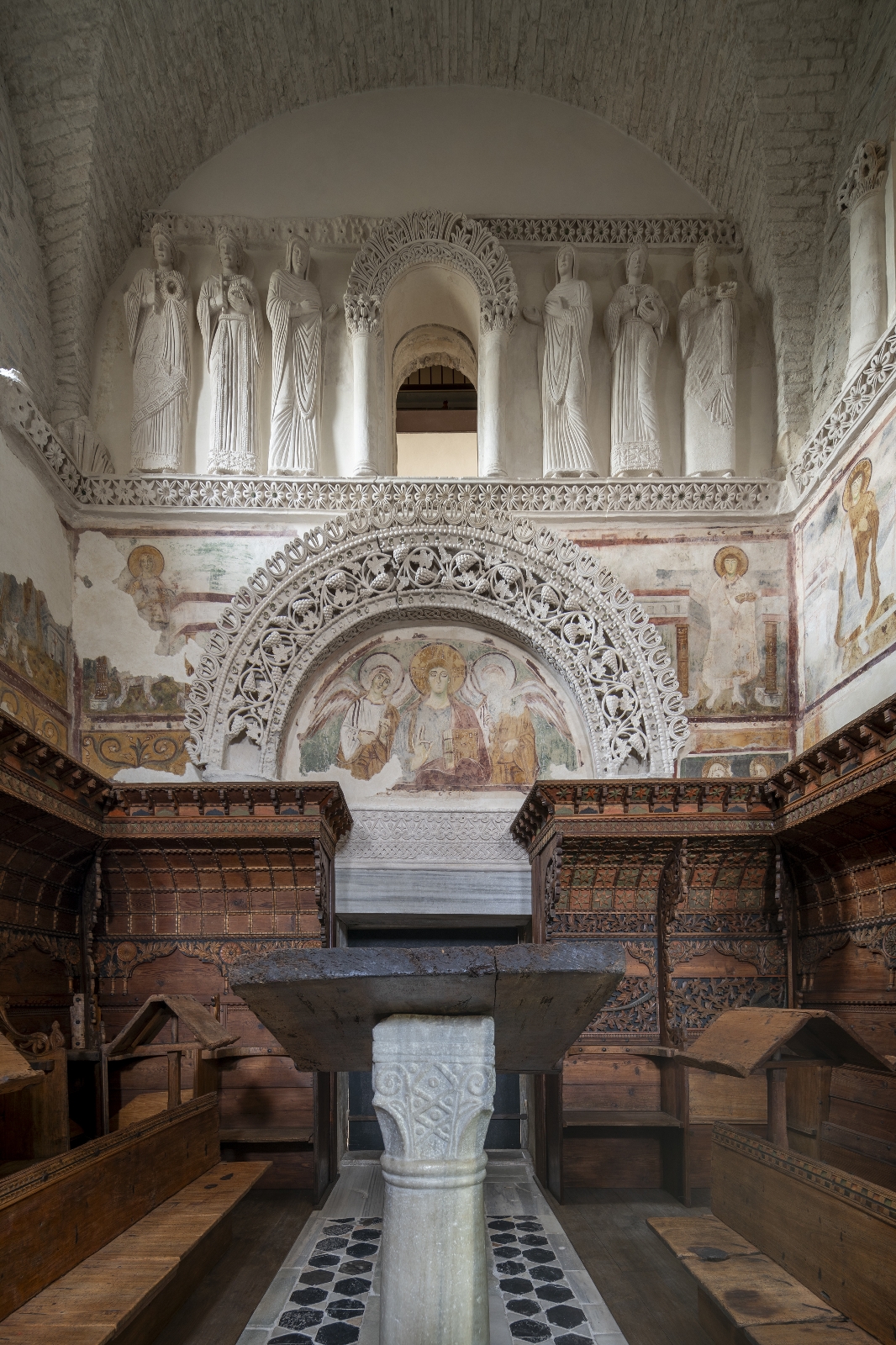
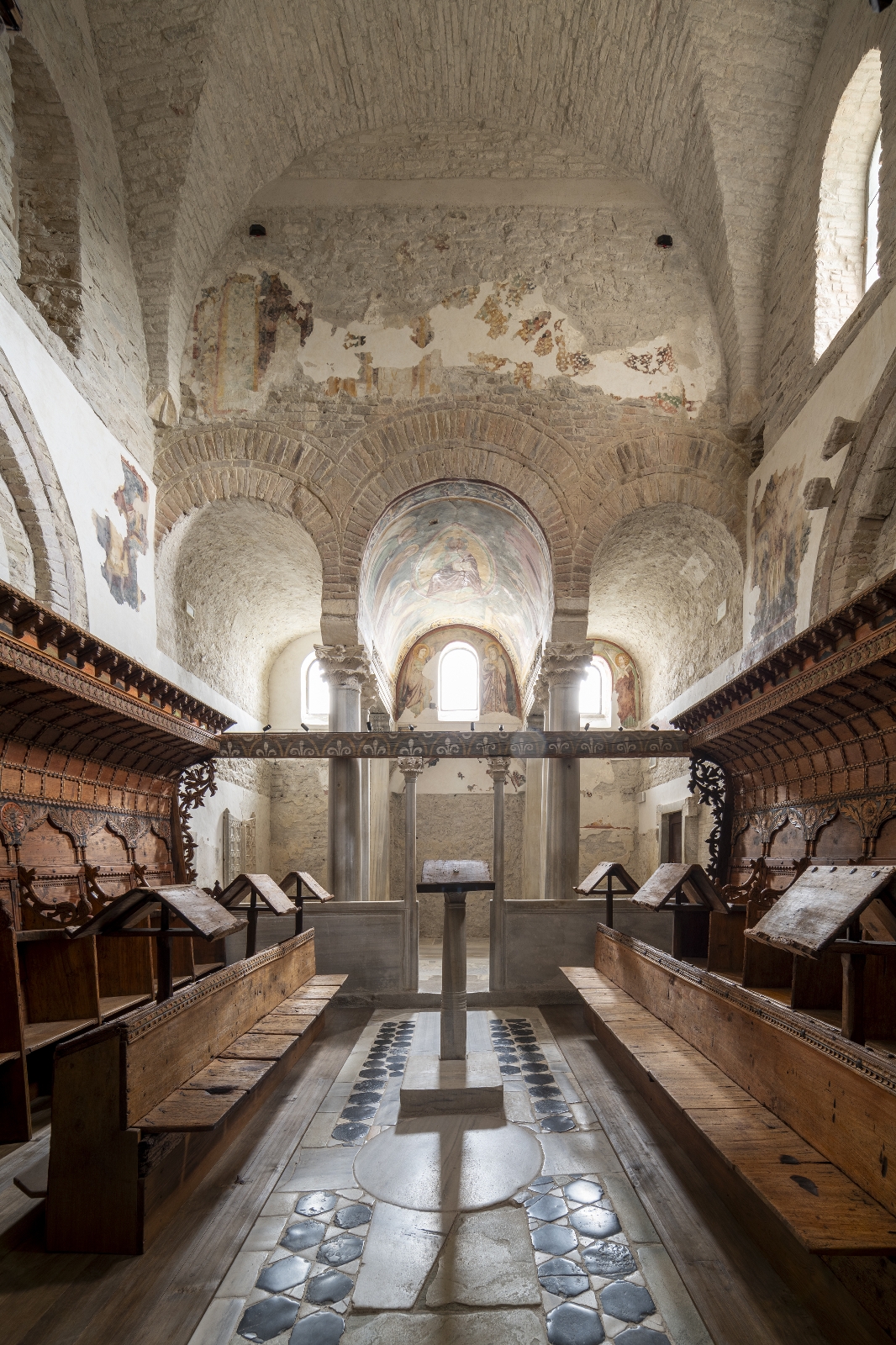
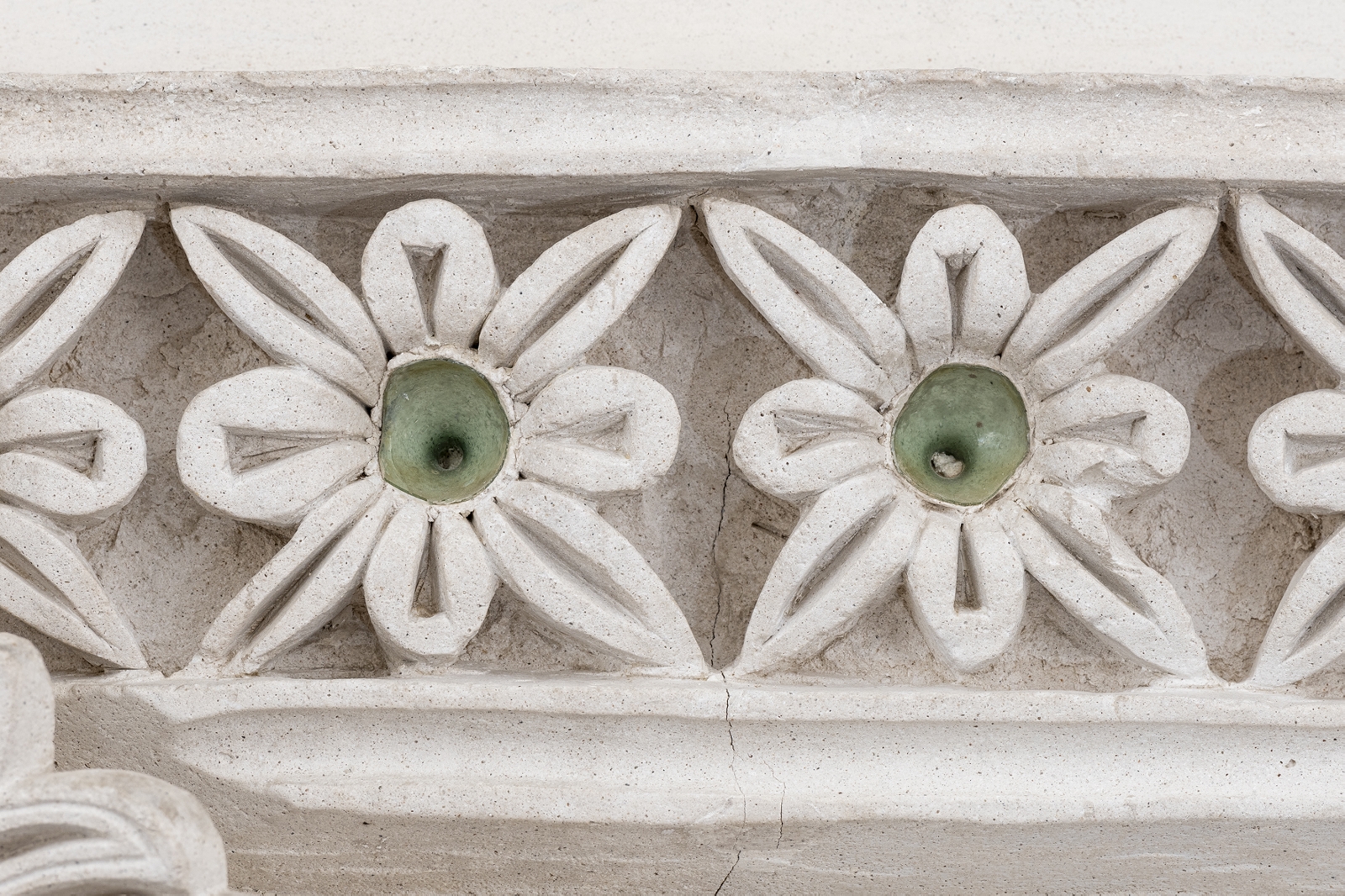
The “secular route” unfolds on the ground floor, allowing visitors to discover the Tempietto starting from the lower level, appreciating the architectural solutions that enrich its interior, add brightness to its structure, emphasize its verticality, and reveal a triumph of refined decorative elements.
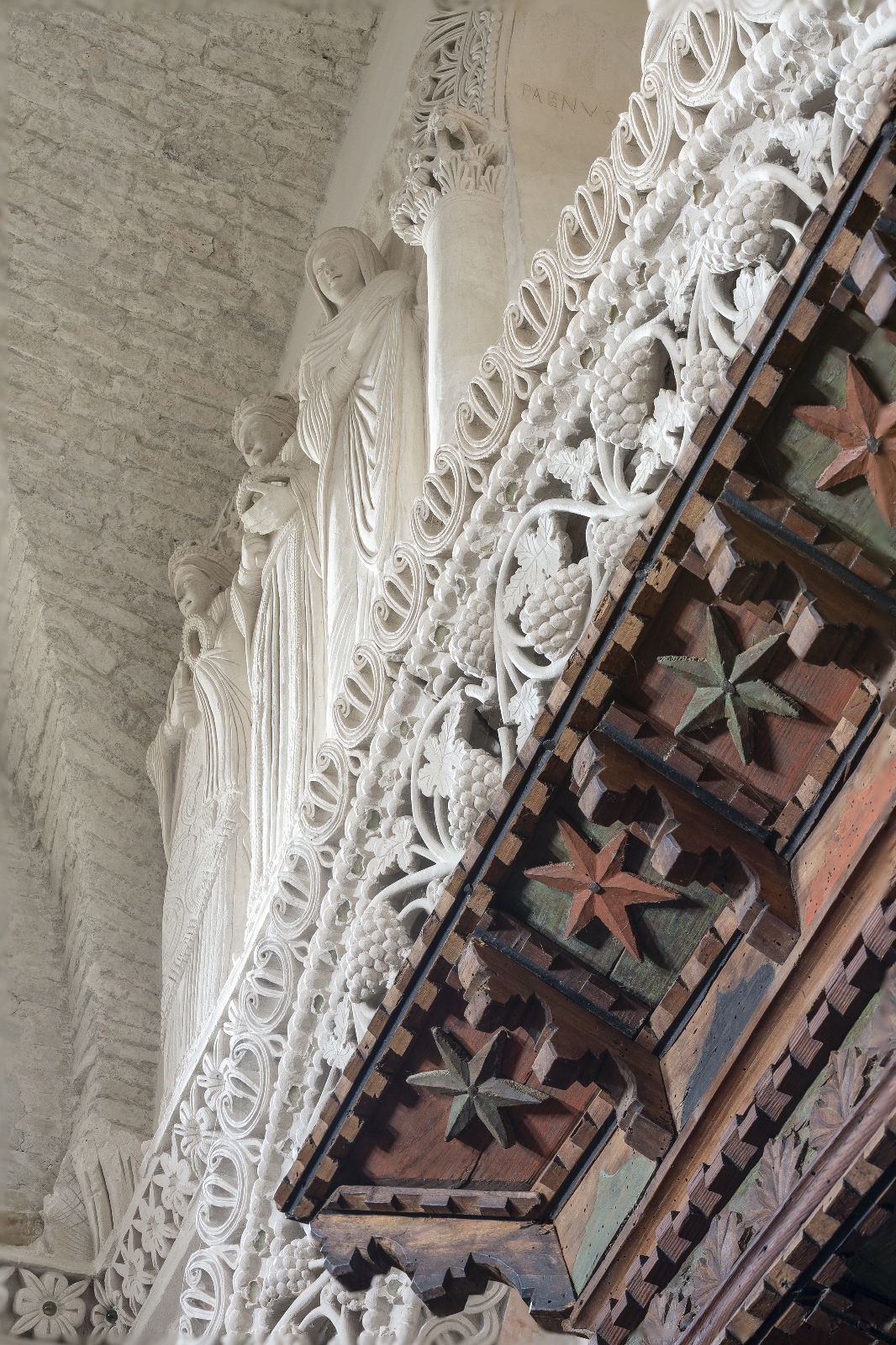
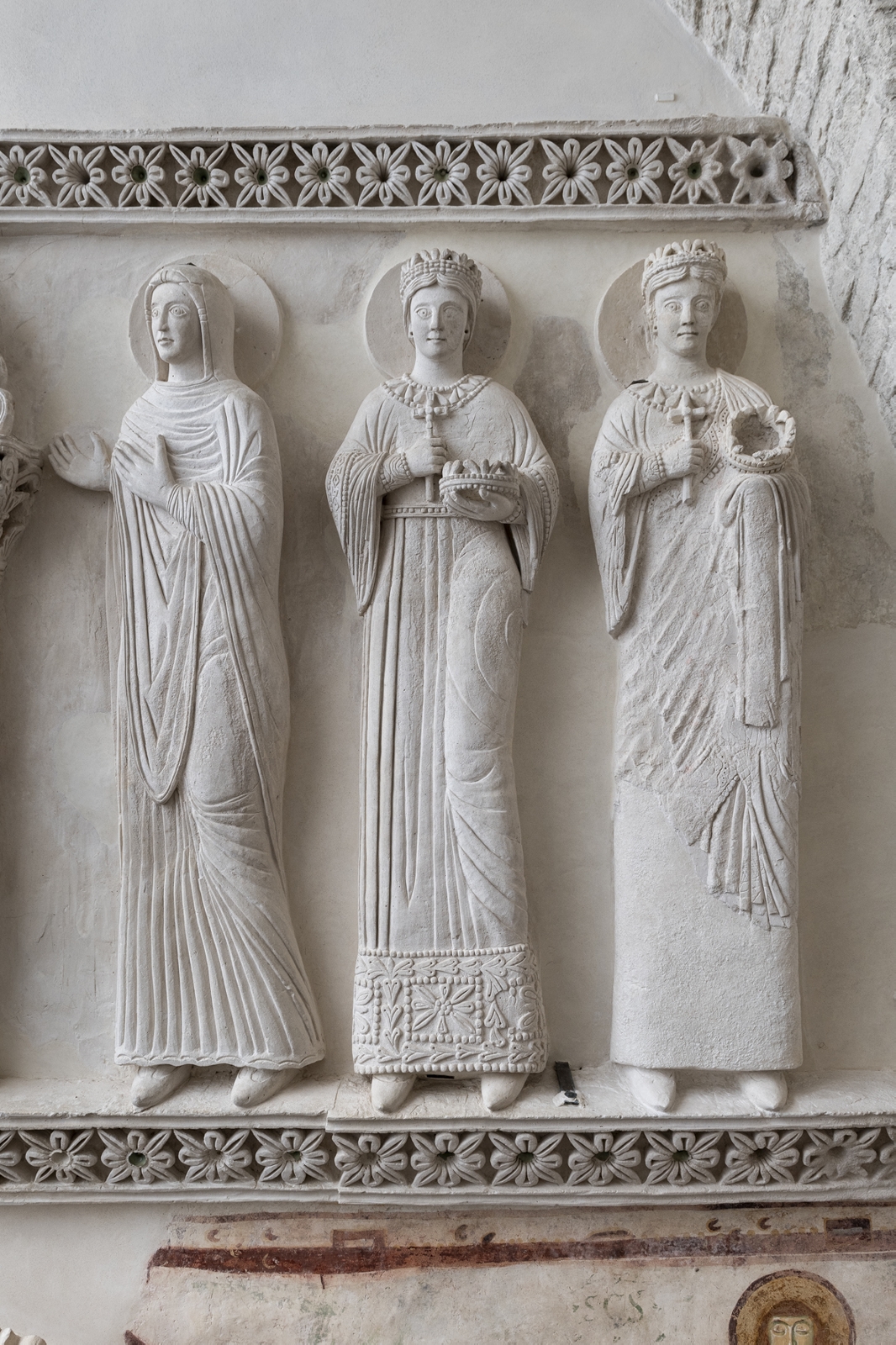
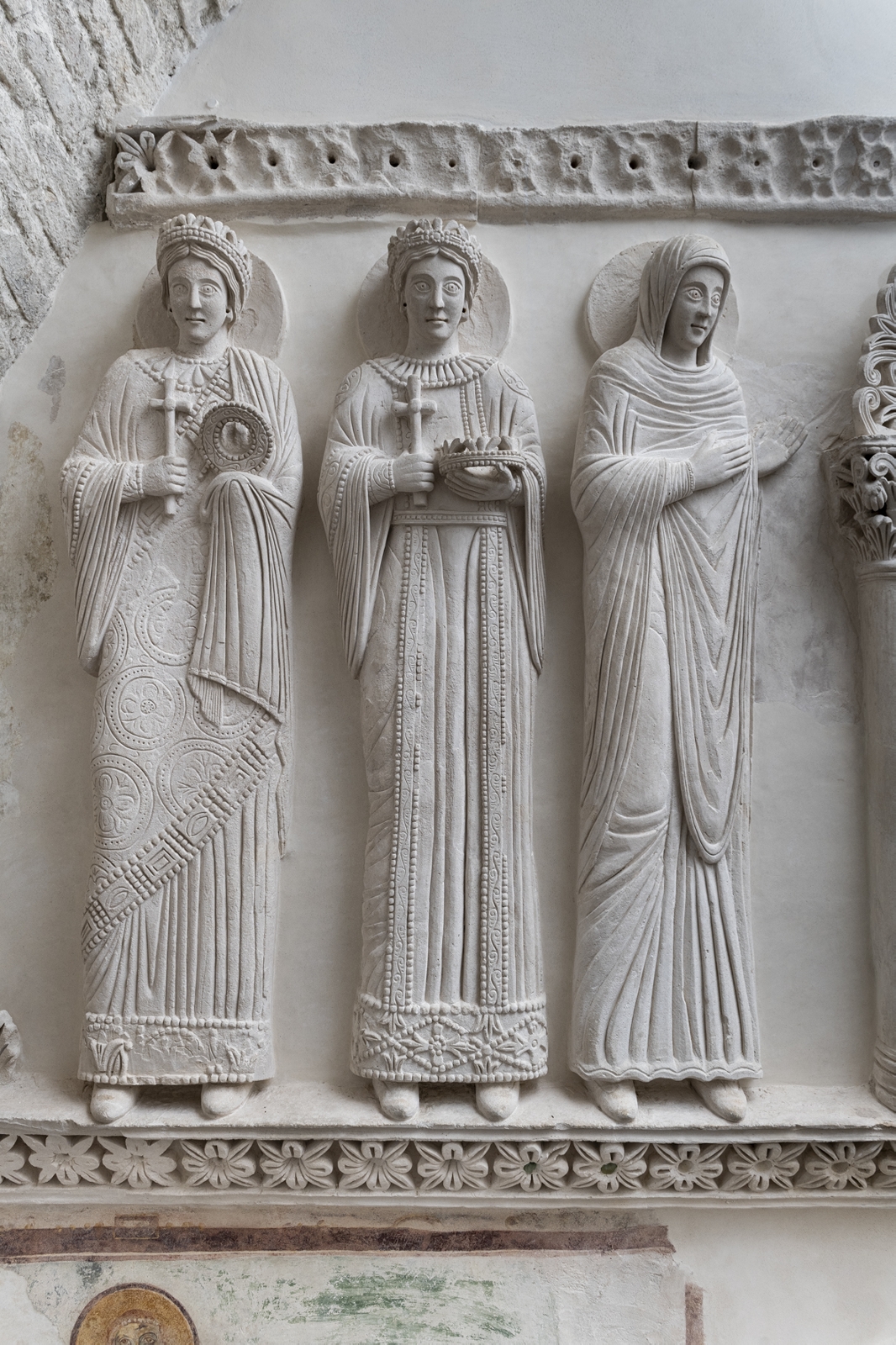
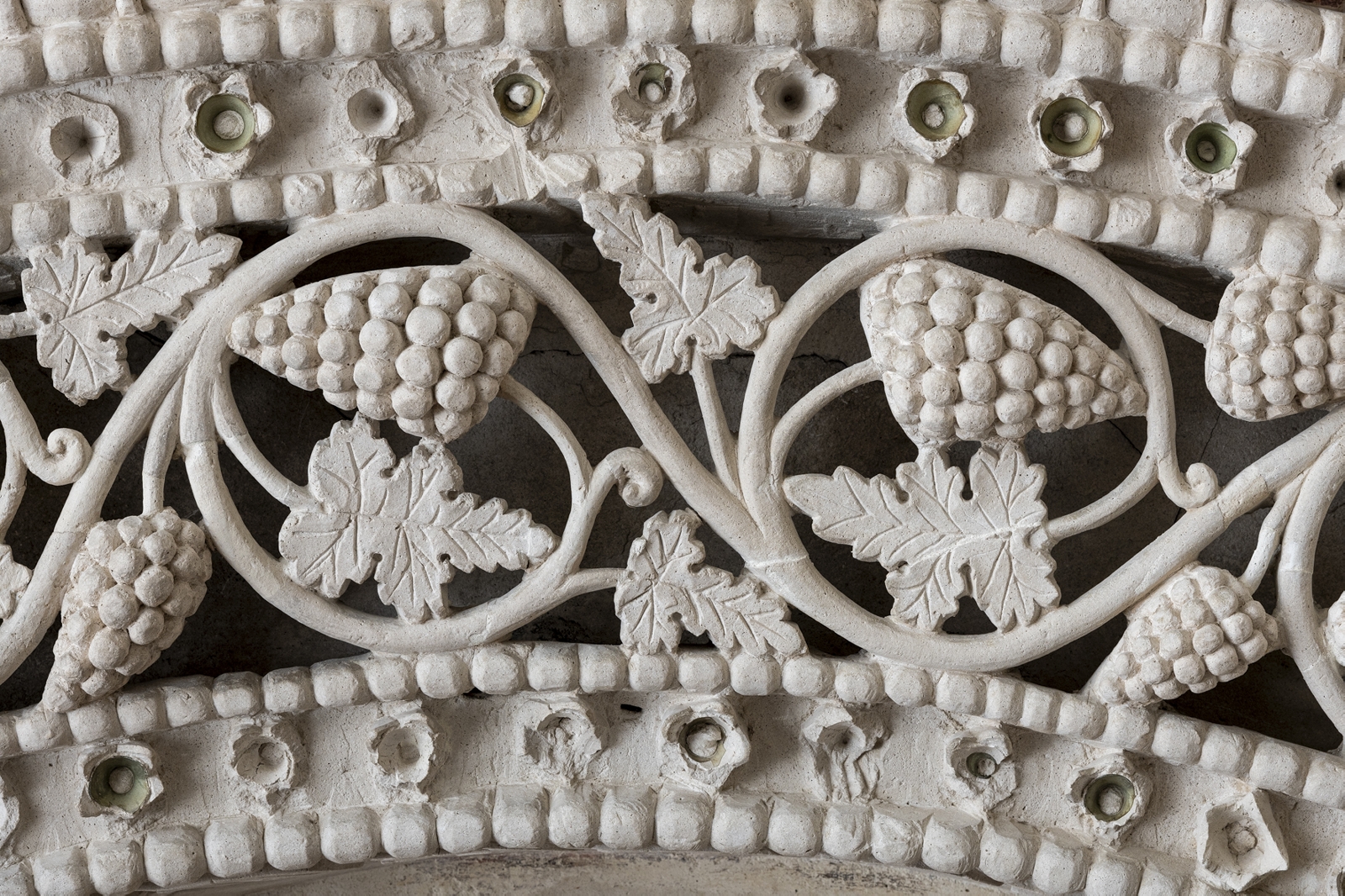
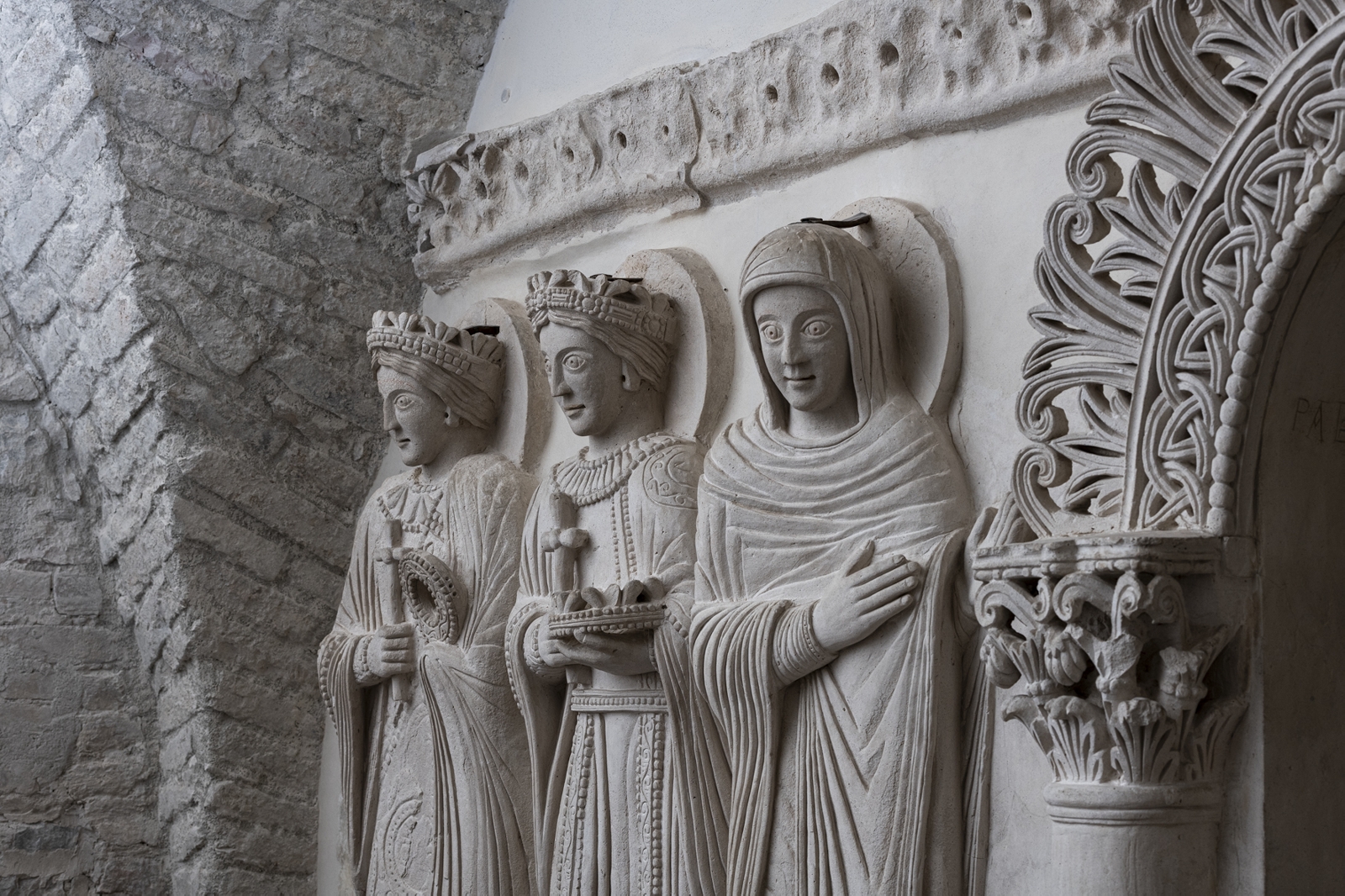
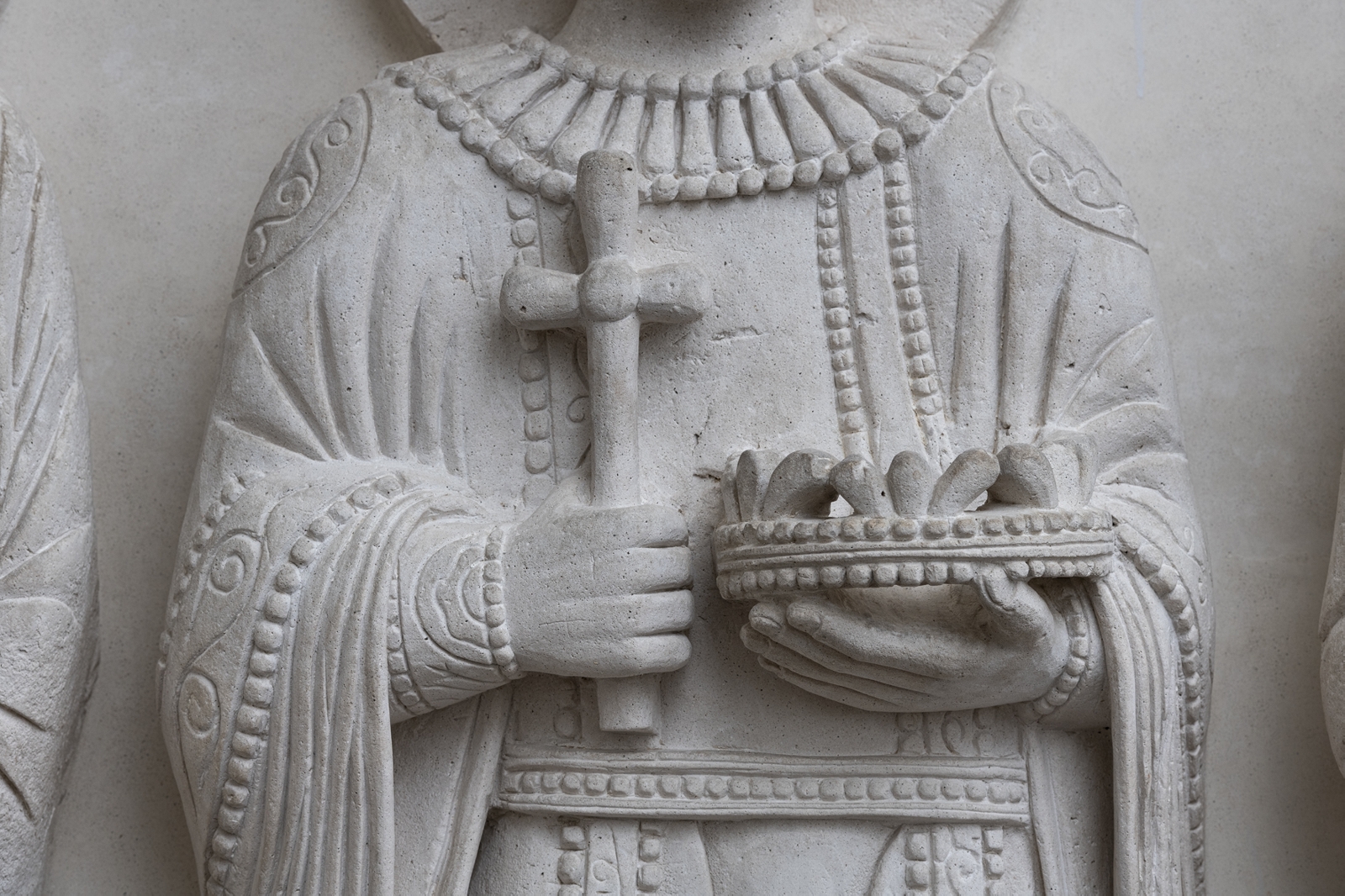
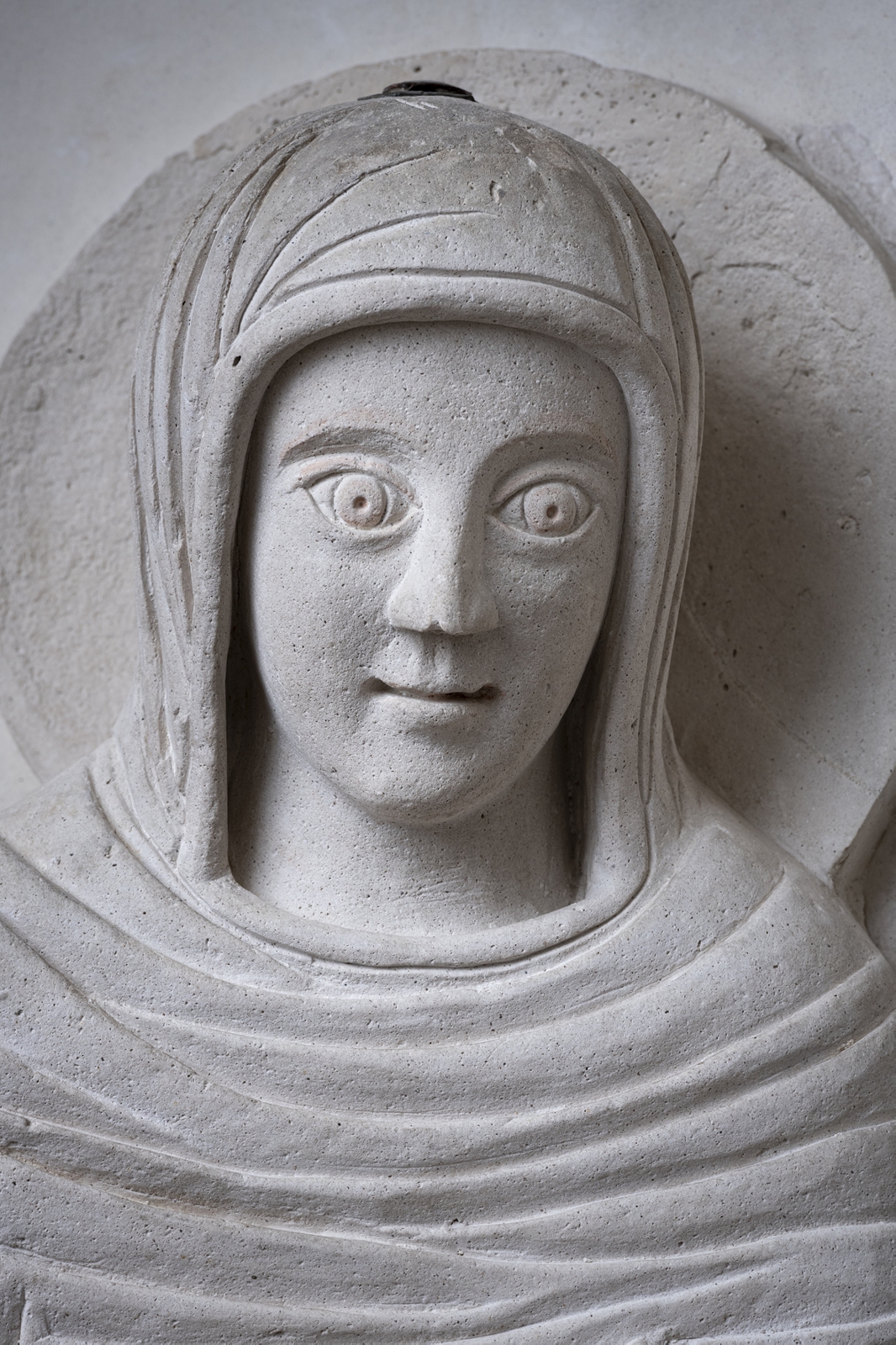
The “secret route of the nuns” leads to the main floor of the nearby Monastery of Santa Maria in Valle. Along the corridor that once provided access to the cloistered areas, visitors are treated with unexpected and striking views of the Tempietto that were inaccessible in the past. Where the corridor meets and runs alongside two of the Tempietto’s external façades – now enclosed within the Monastery – visitors can admire the 12th‑century frescoes that once adorned the same walls. The celebrated stuccoes decorate the inner face of one of the walls, facing the Tempietto. And if we lean out from a particular window along the corridor, we suddenly find ourselves face‑to‑face with the statues of the famous saints, at eye level! A touching and overwhelming close encounter!
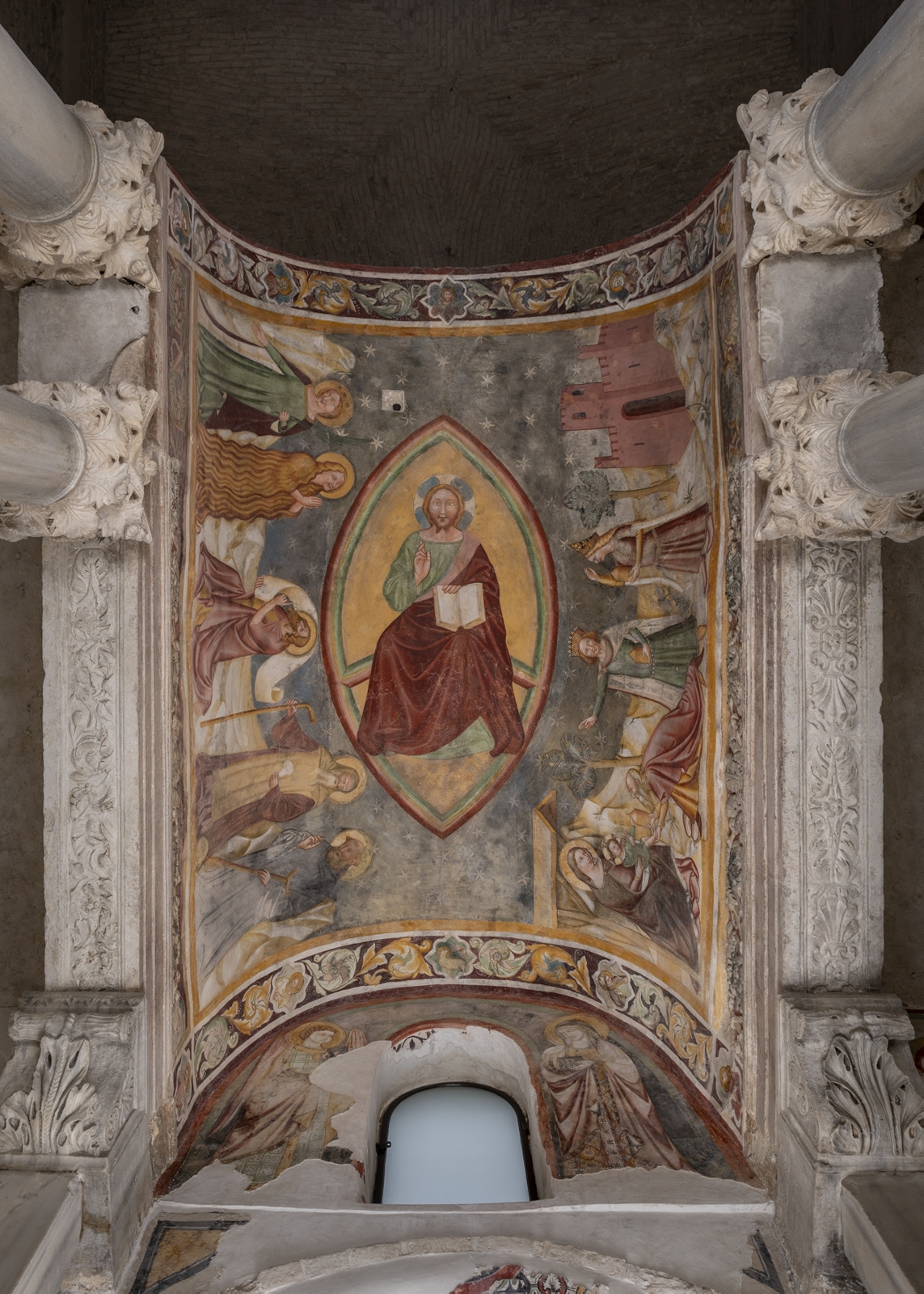
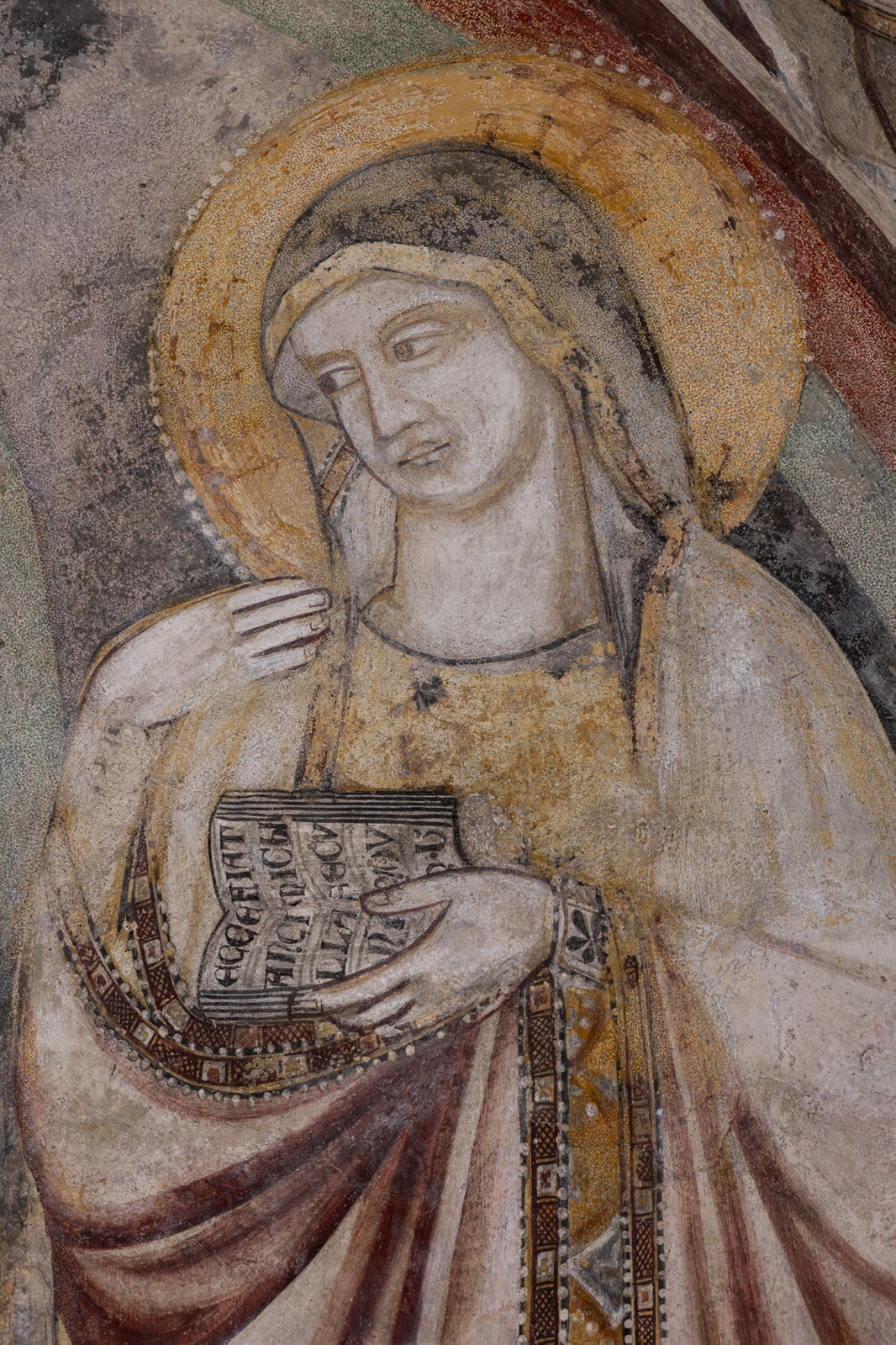
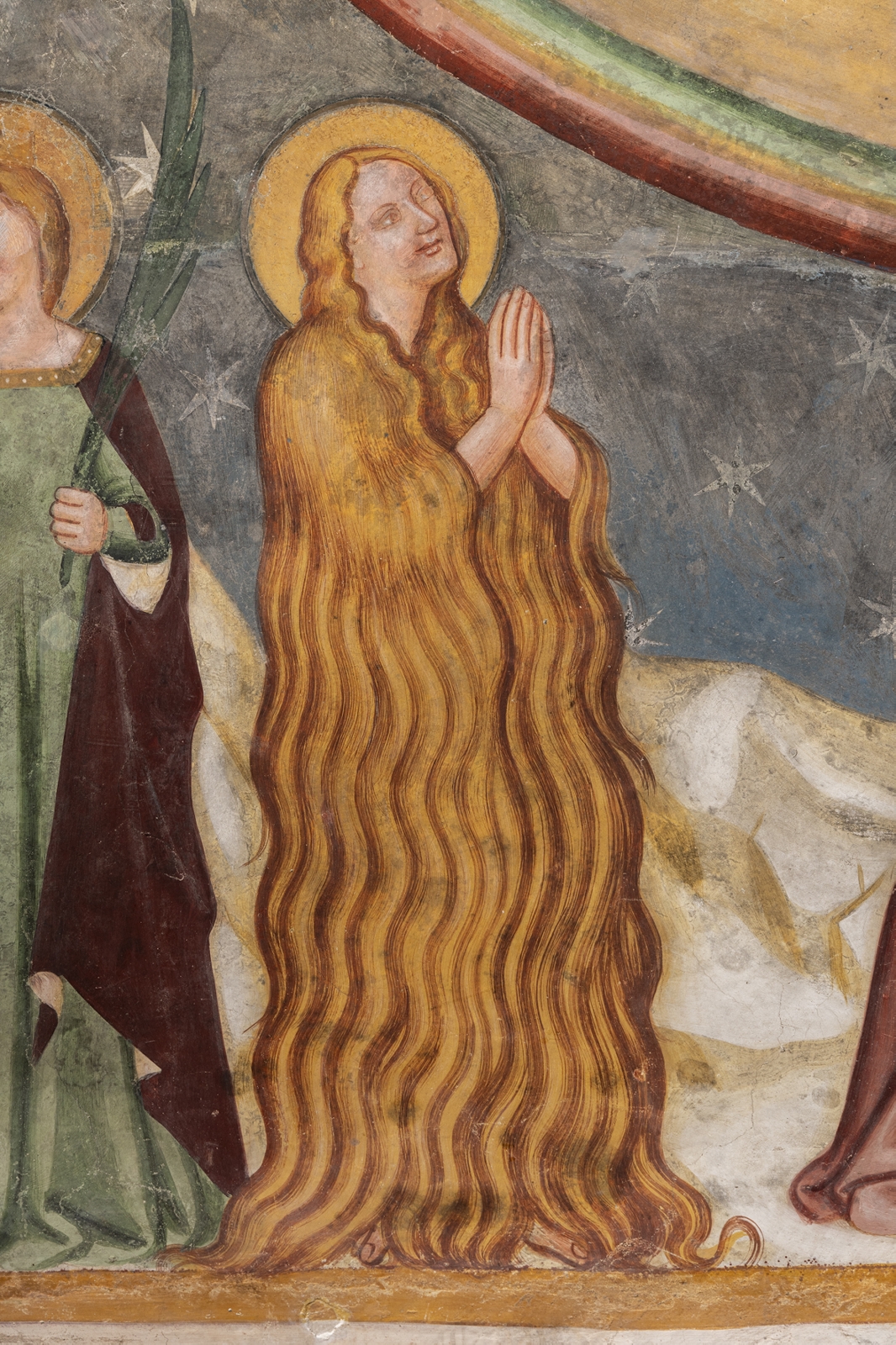
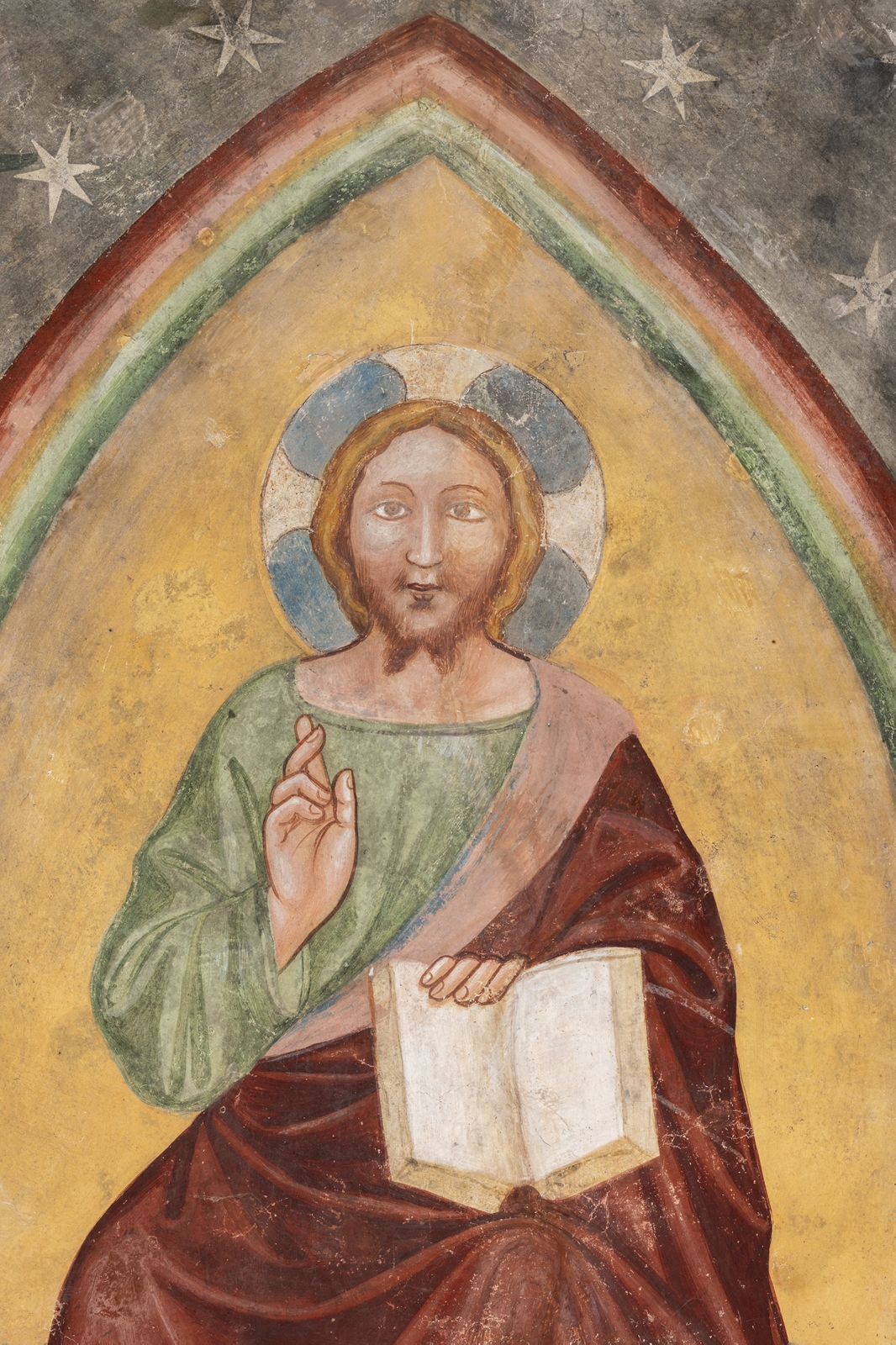
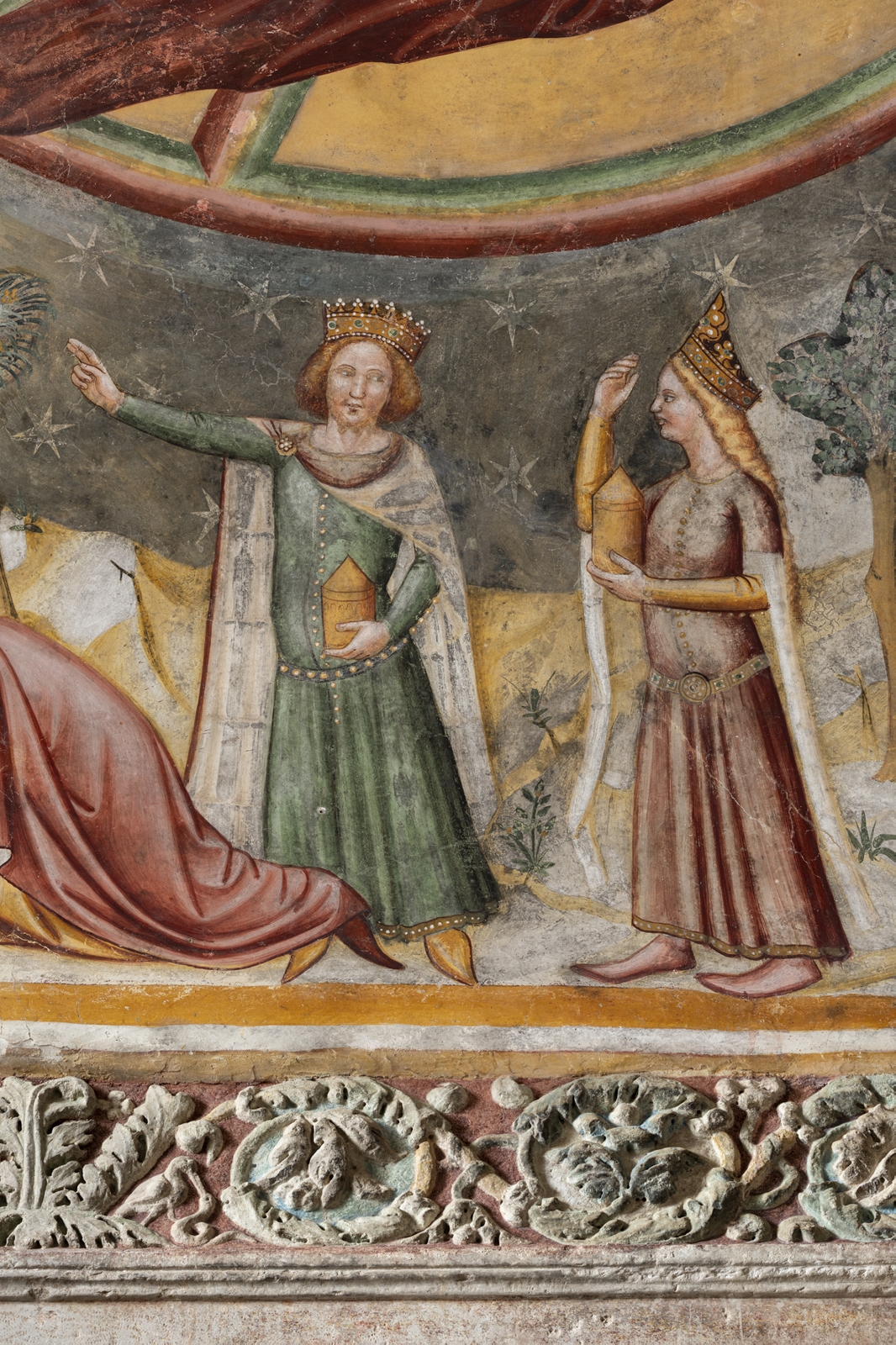
On the secular route, visitors enter the Tempietto through the small sacristy added in a later period. Here they are welcomed by the vivid colours of the 13th‑ and 14th‑century frescoes covering the presbytery, the space reserved for priests.
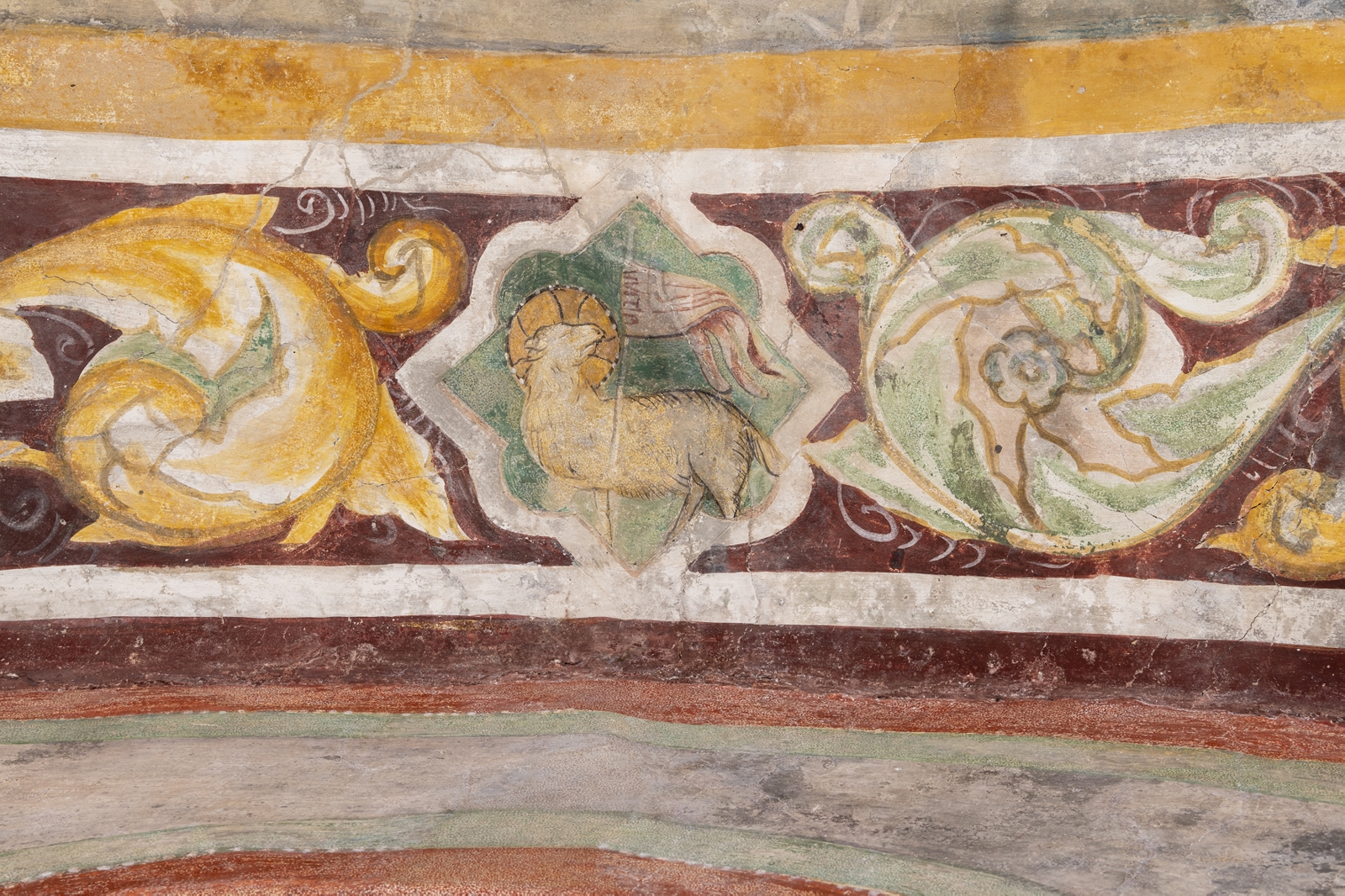
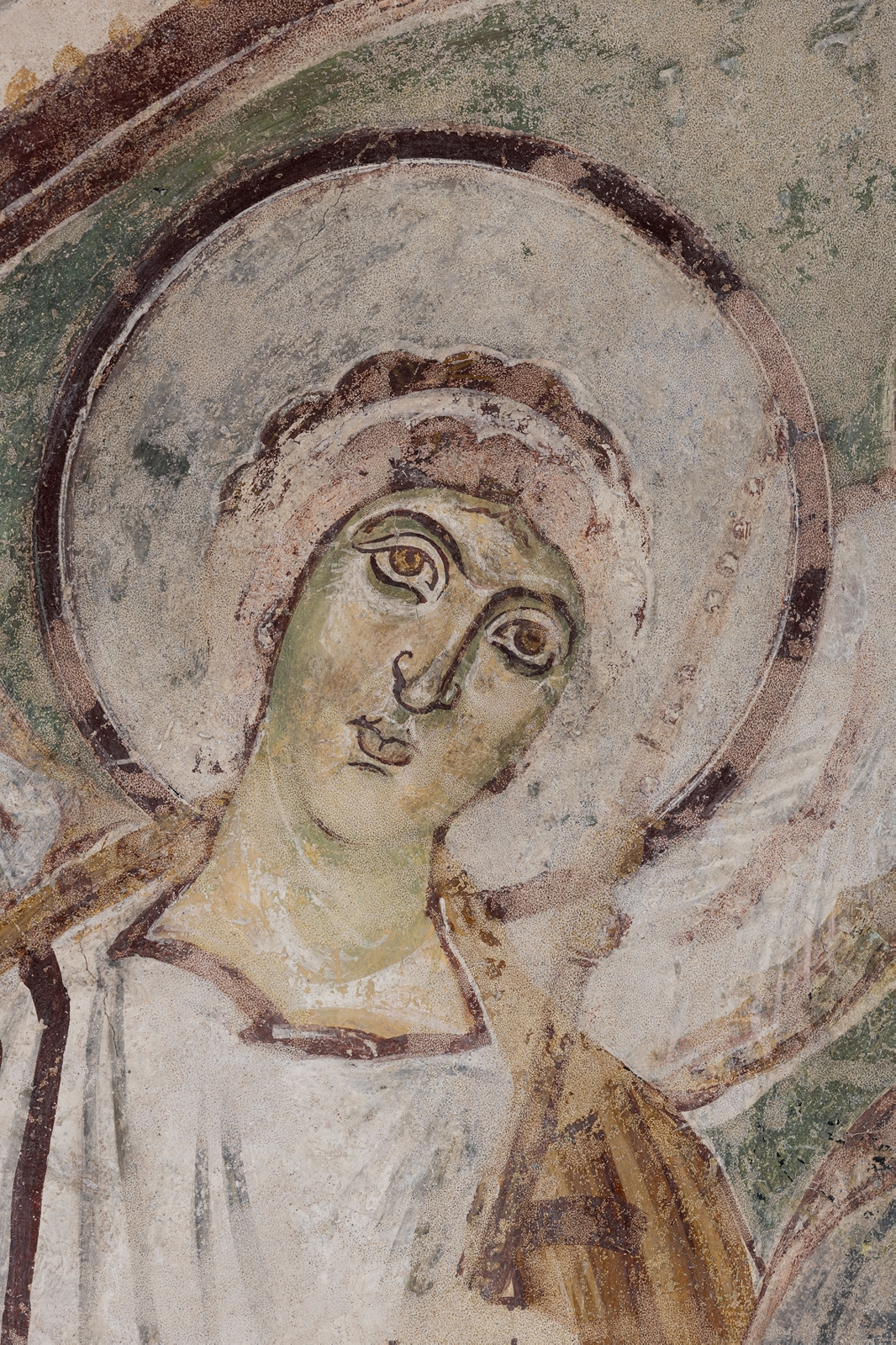
We can imagine how this series of frescoes continued across the walls of the Tempietto hall, overlaying the 8th‑century Lombard decoration that is still visible today.
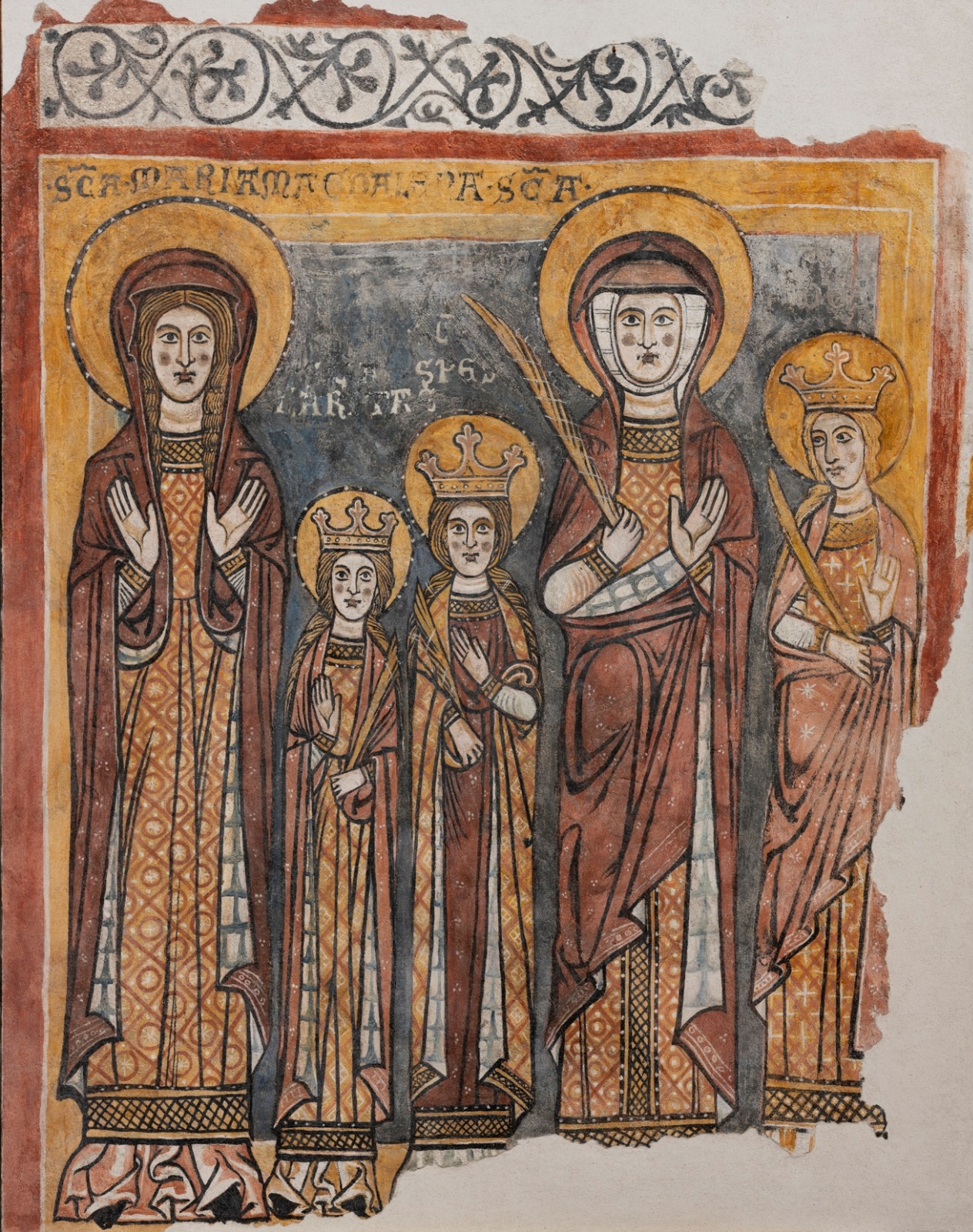
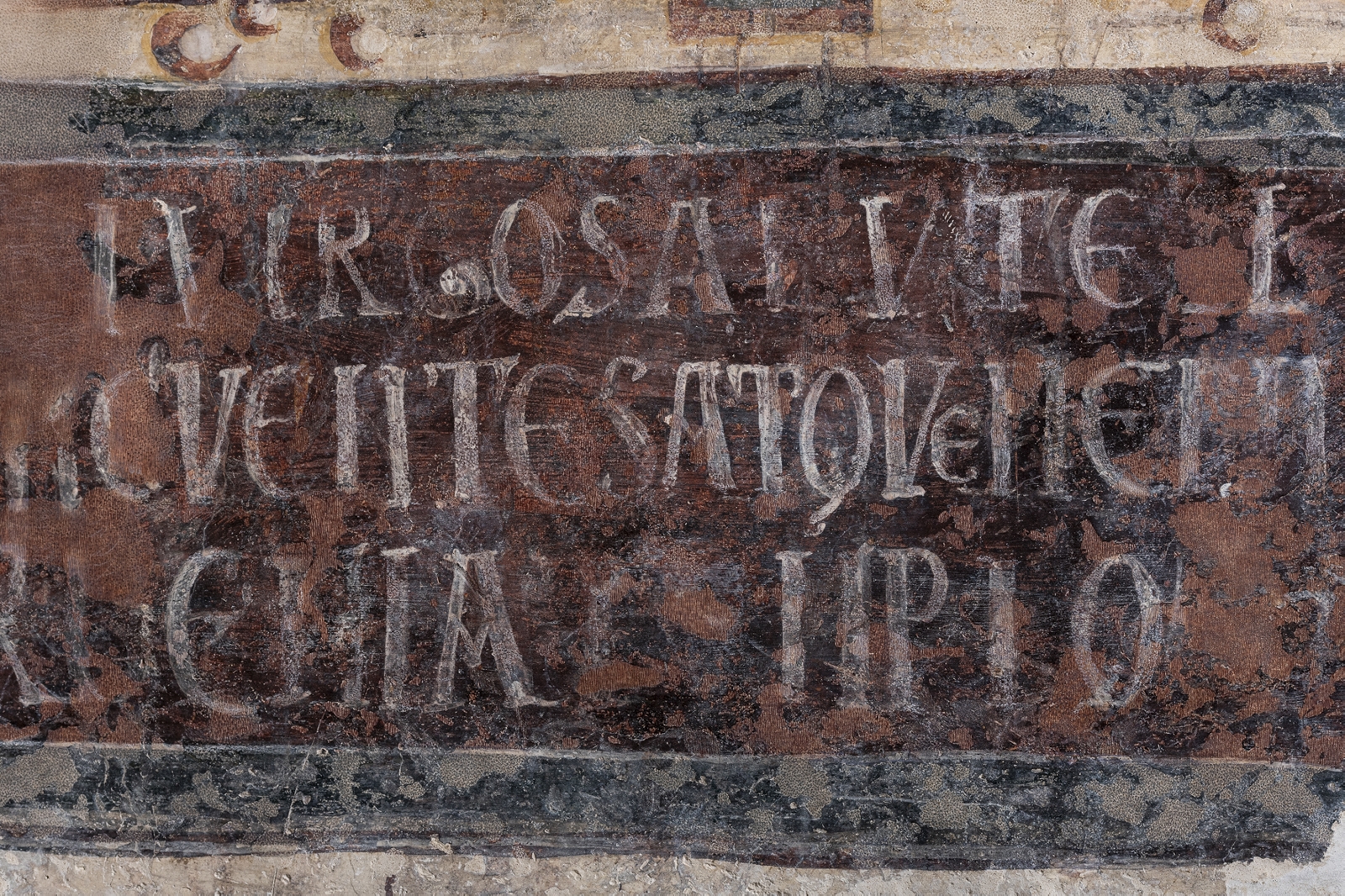
In fact, the medieval frescoes, painted between the 11th and 14th centuries and once adorning the walls and lunettes of the Oratory’s hall, were removed from the wall between 1959 and 1961. They have now been restored and are currently displayed in a dedicated space within the complex, in the Church of San Giovanni in Valle.
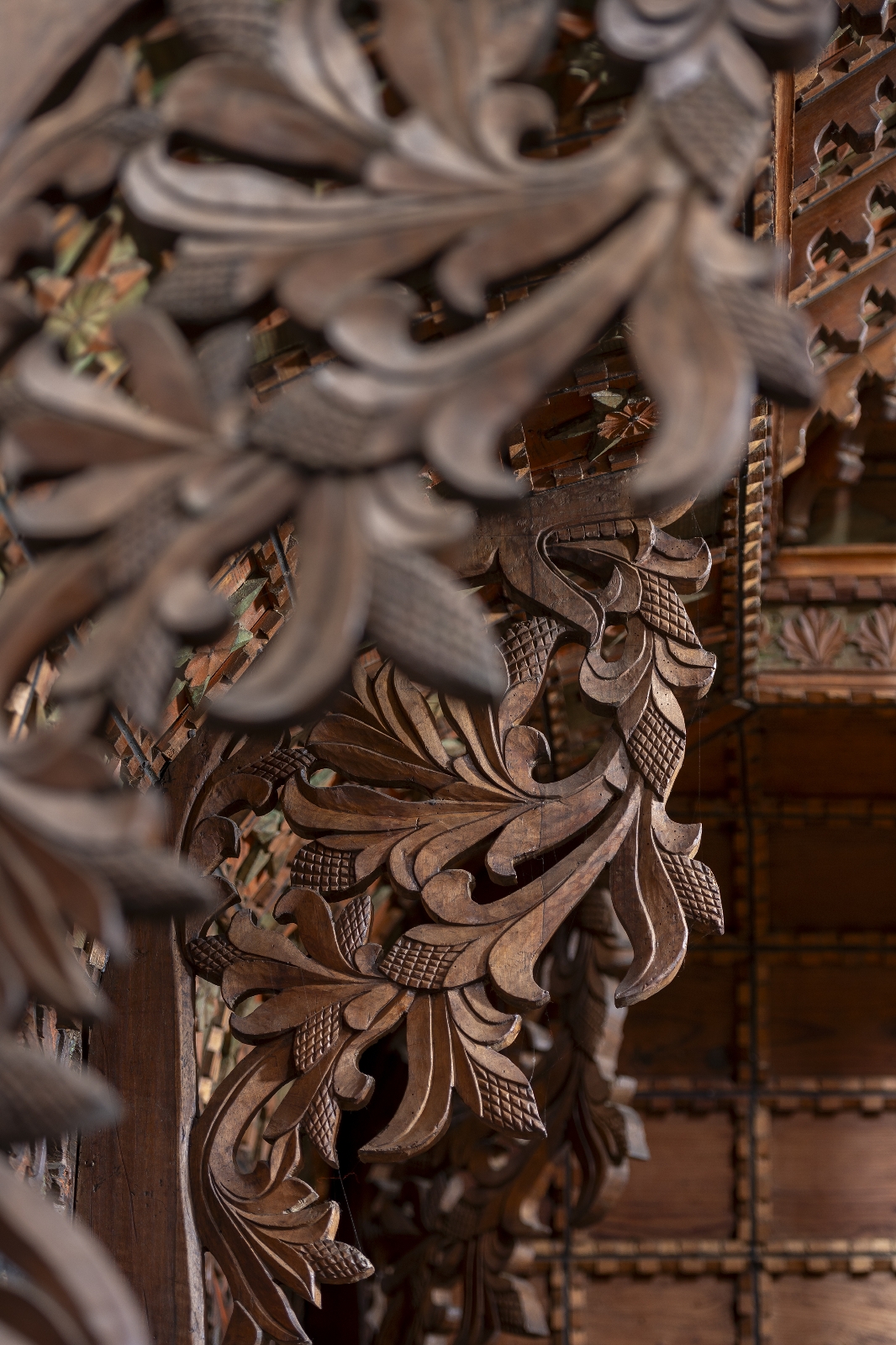
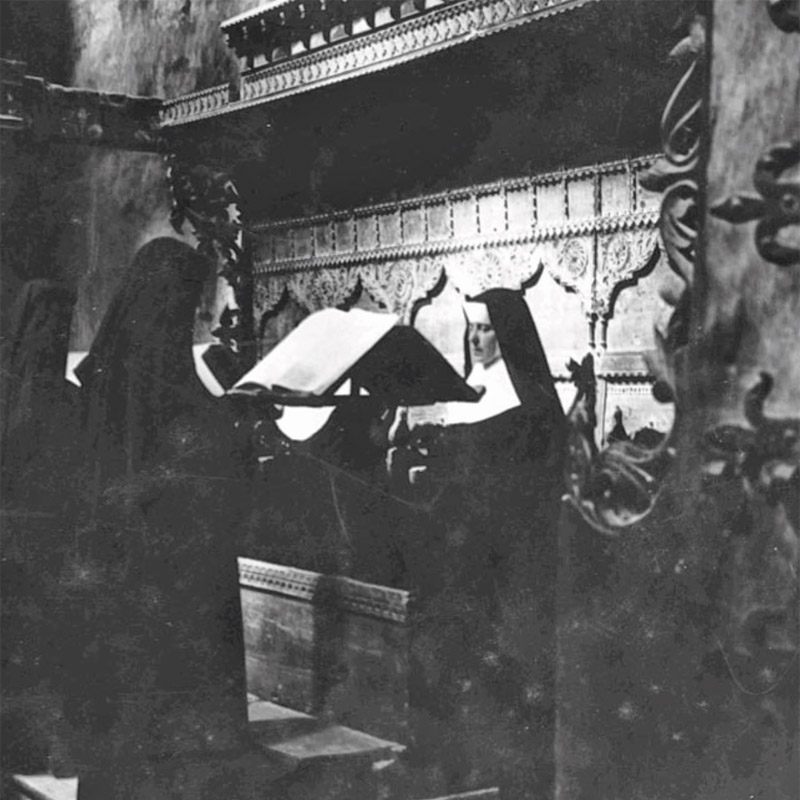
Another masterpiece preserved in the Tempietto is the marvellous late 14th‑century wooden choir – the oldest liturgical furnishing in Friuli. Used by the nuns during religious services, it has been restored to its original splendour and now lines the walls of the hall. The commissioning of the wooden choir stalls is attributed to Abbess Margherita della Torre.
Patronage plays an important role not only in the Lombard period, but also for the medieval masterpieces created in the centuries that followed. These were commissioned by a highly influential female elite who also expressed its prestige and authority through art: the abbess and the nuns of the great Monastery of Santa Maria in Valle.
Gallery