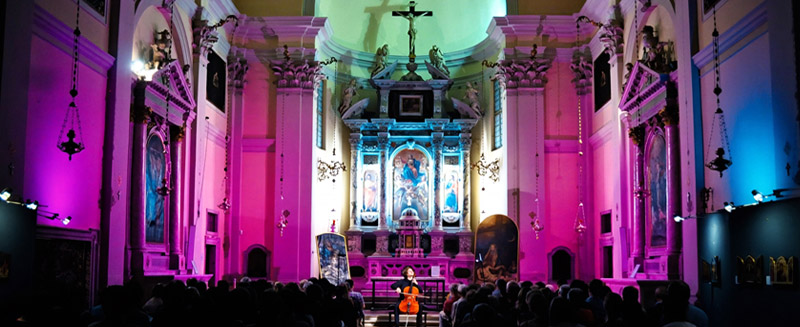
The Refectory of the Monastery
of Santa Maria in Valle
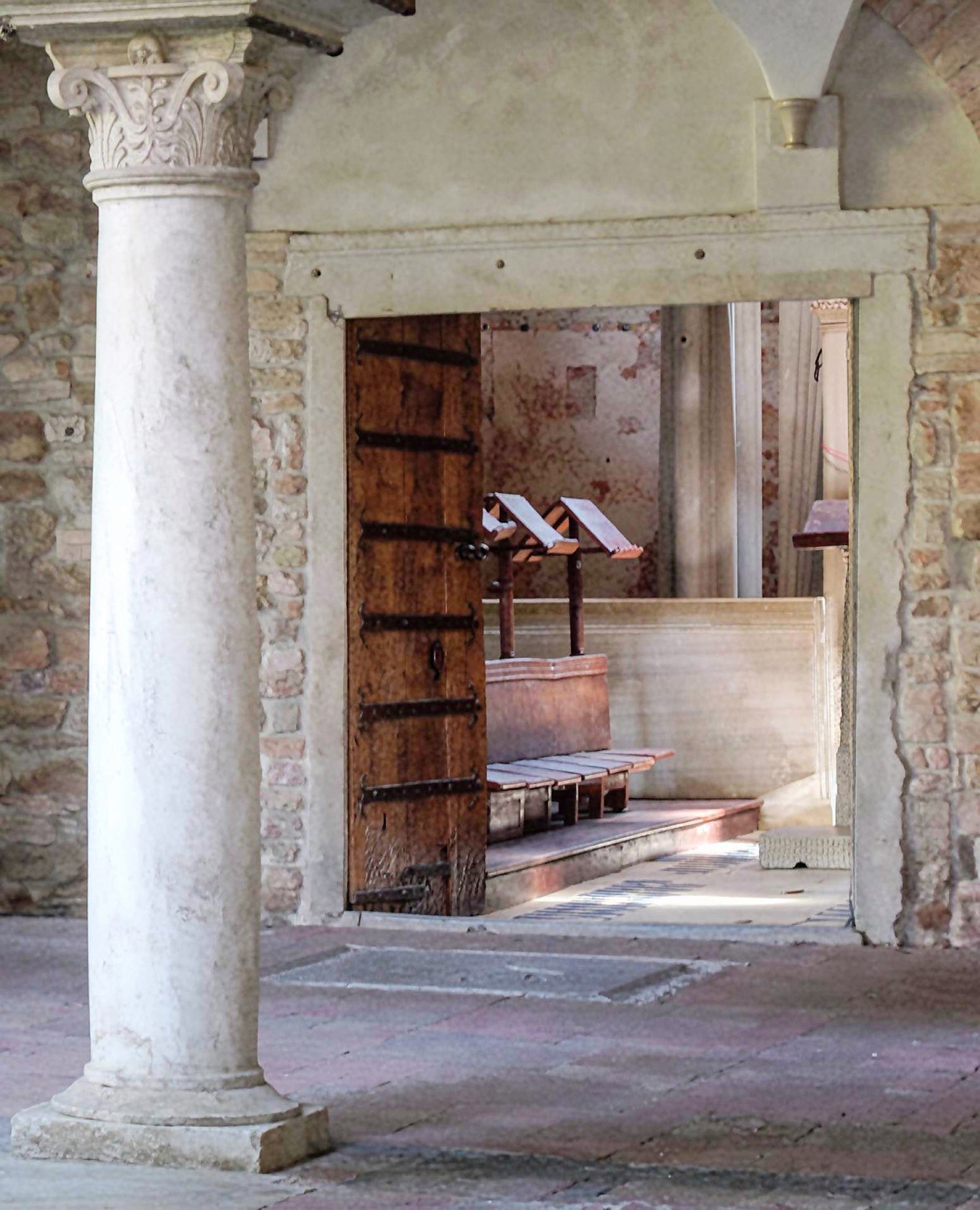
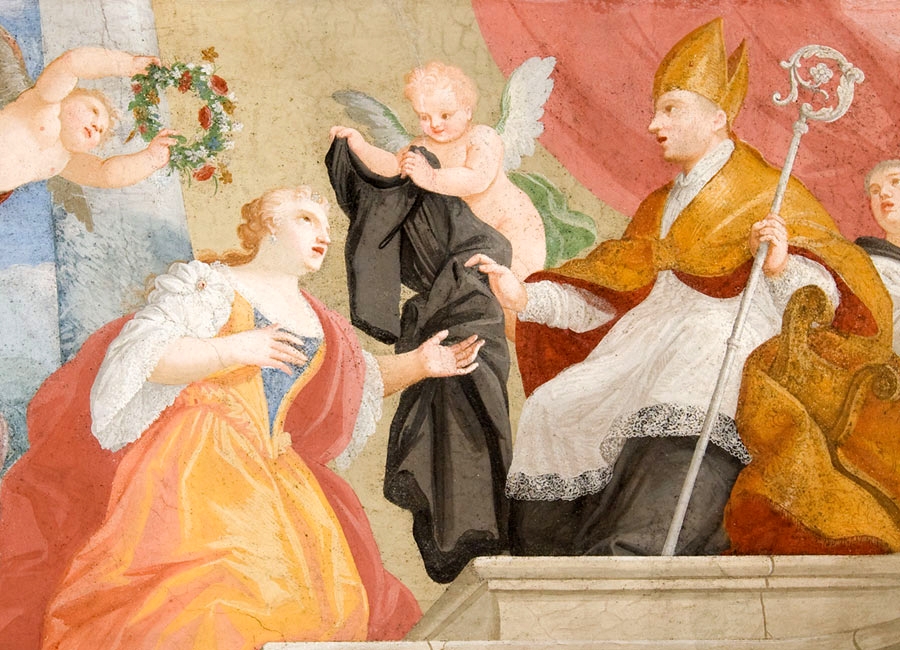
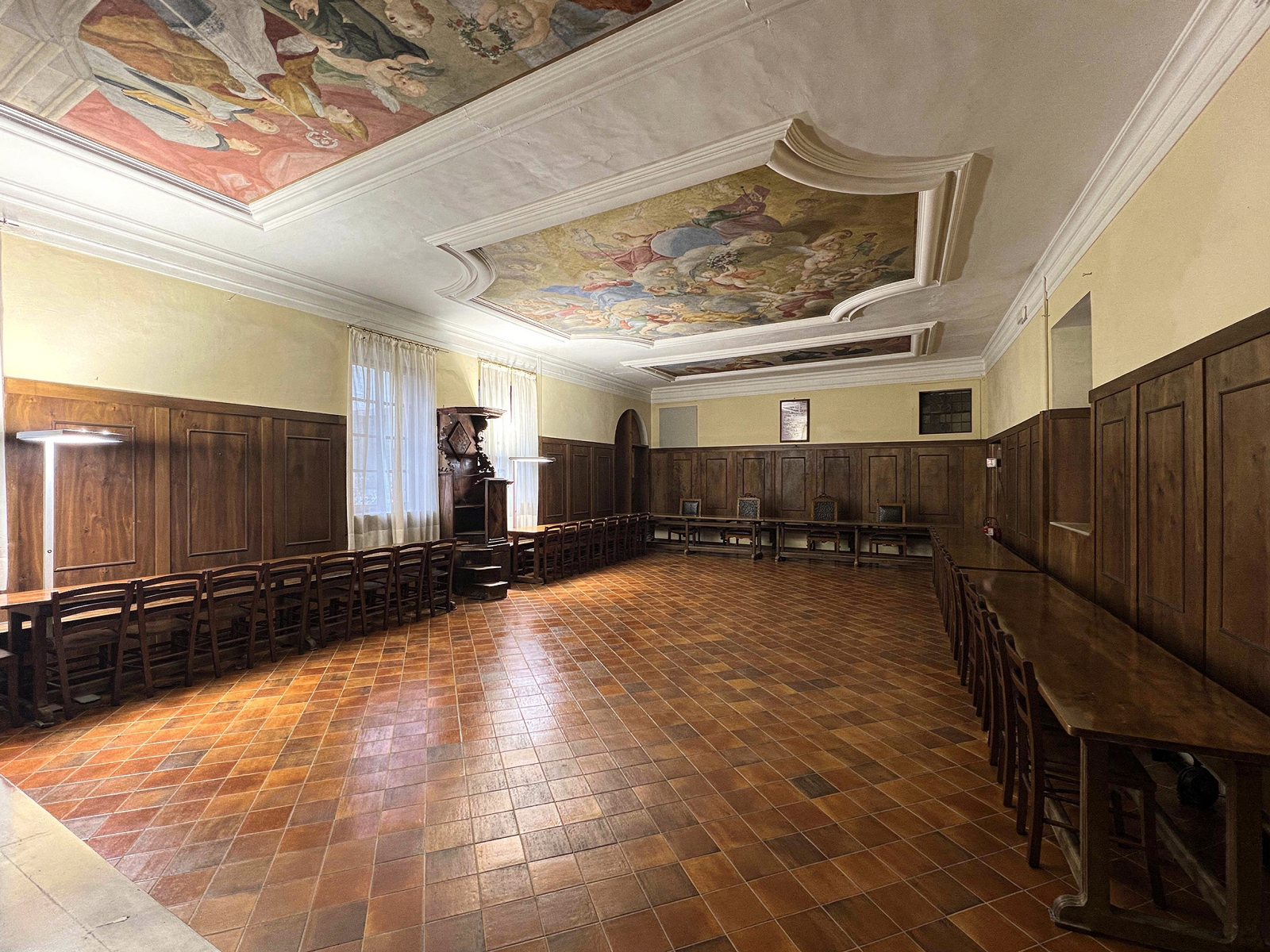
Upon entering the Monastery, one of the first rooms we encounter along the visitor route is the Refectory, whose current rectangular layout dates back to the 18th century. The stucco and fresco decoration on the ceiling depicts the Annunciation and the Stories of Saint Scholastica and Saint Benedict. Here the nuns took their meals in silence; access to the room was strictly reserved for their use.
Since its reopening to the public 2008, the Refectory has hosted public cultural initiatives and private events such as civil wedding ceremonies or marriage vow renewals. It also provides a sheltered space for ceremonies held in the Monastery’s outdoor areas in the event of bad weather.
For further information on the private events that can be hosted in the Refectory, the Cloister, and adjacent spaces, please go to the Events and News section.
The Picture Gallery
The Amelio Tagliaferri Wing
On the first floor of the Monastery, the Picture Gallery houses a permanent collection of works by artists from the Friuli Venezia Giulia region, as part of the municipal art collection. The Picture Gallery also hosts temporary exhibitions. It is named after Amelio Tagliaferri, a distinguished archaeologist and leading expert on Lombard and Roman Cividale.
We are on the main floor of the Monastery. Here were the nuns’ cells, the novitiate, the refectory for the sick, the infirmary and the large rooms used by servants. The attic floor was used as a granary.
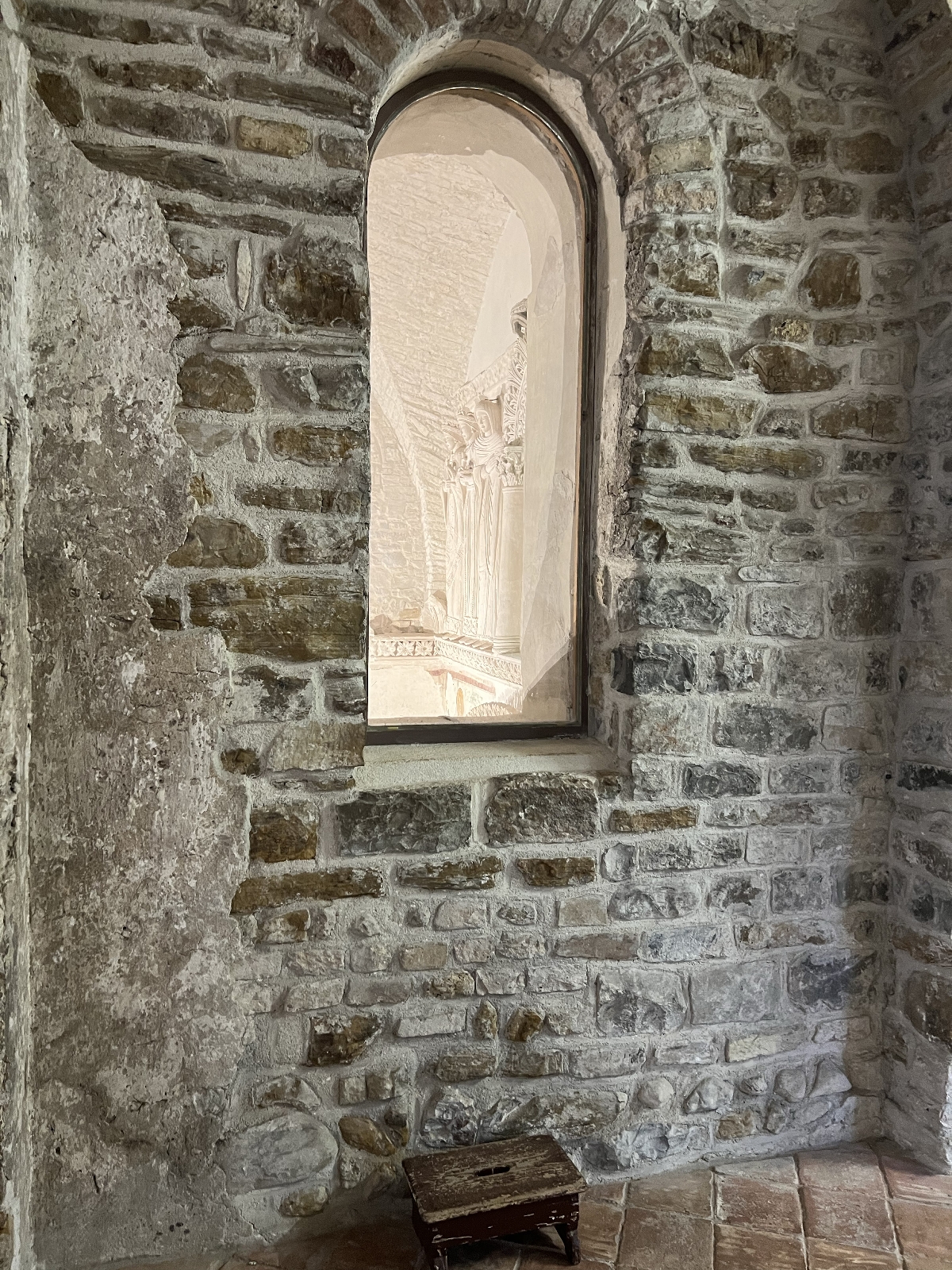
Visiting the private quarters of the nuns is a deeply evocative experience. These spaces, hidden from visitors for centuries, are today some of the most atmospheric places in the whole complex. In particular, the north-east wing of the cloistered area, built in the early 1700s, still preserves its original subdivision into small square rooms, each one with a window overlooking the Monastery’s interior spaces – ensuring that the nuns’ private lives remained entirely concealed.
The furnishings of these small bedrooms were minimal: an iron bed, a washstand, a small writing desk, a prie‑dieu, and a wardrobe for their few personal belongings. Here the nuns withdrew to rest and meditate.
The Cloister and the Archaeological
Excavation Area
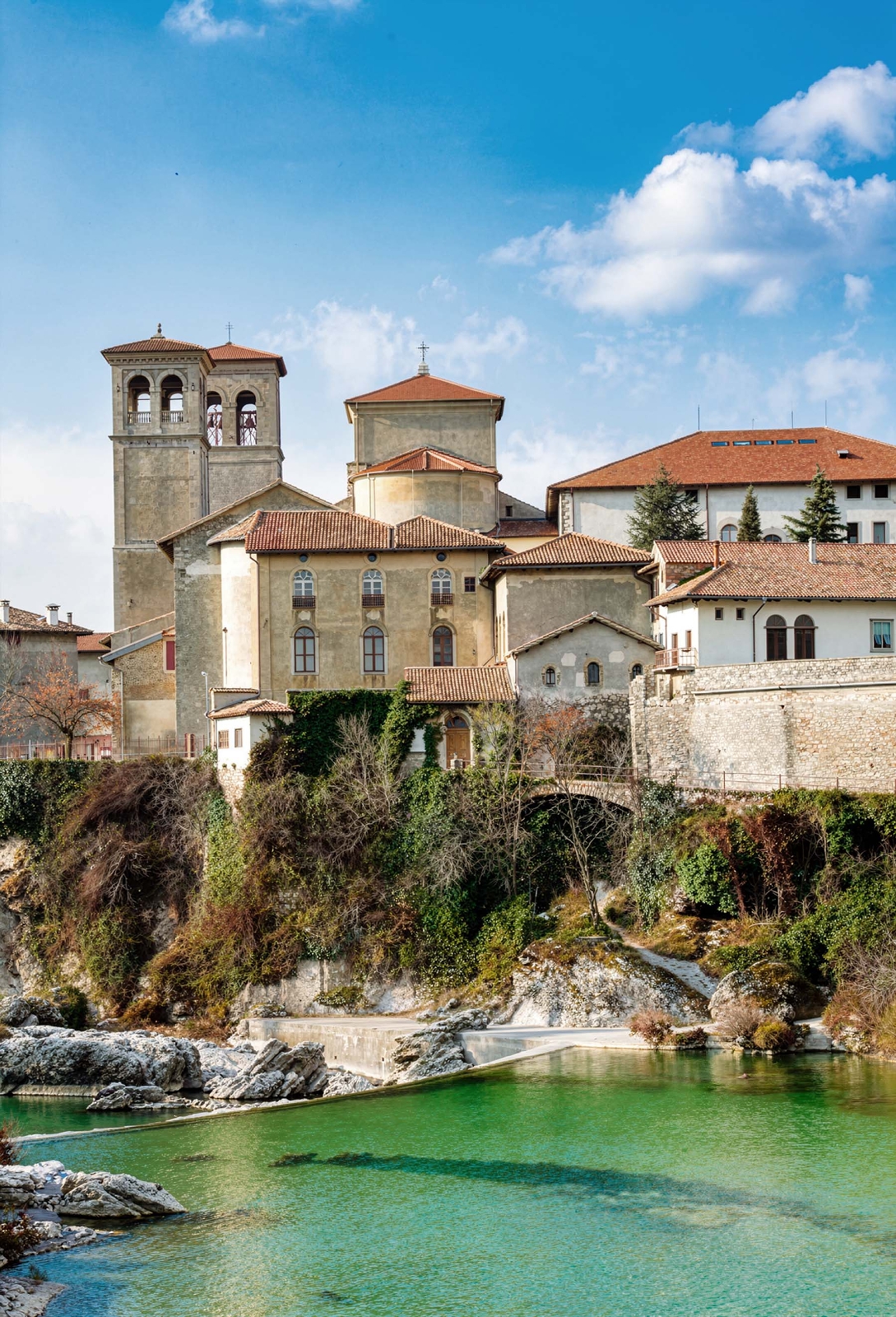
From the Carolingian period onward, the Monastery of Santa Maria in Valle remained for a long time among the properties granted by the emperors to the Patriarch of Aquileia.
During the Middle Ages, the Monastery’s importance grew to such an extent that it received donations and privileges that further increased its power and prestige.
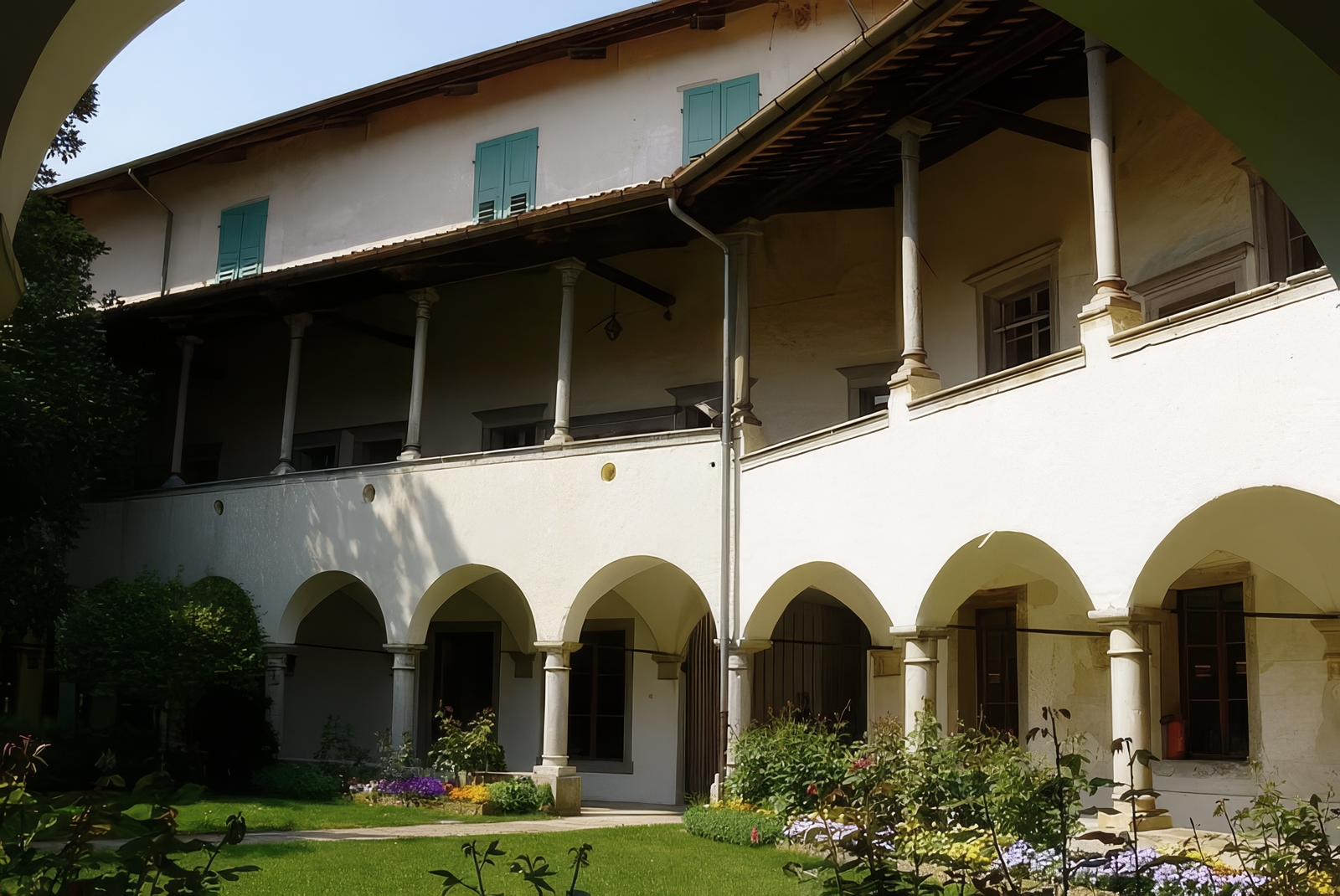
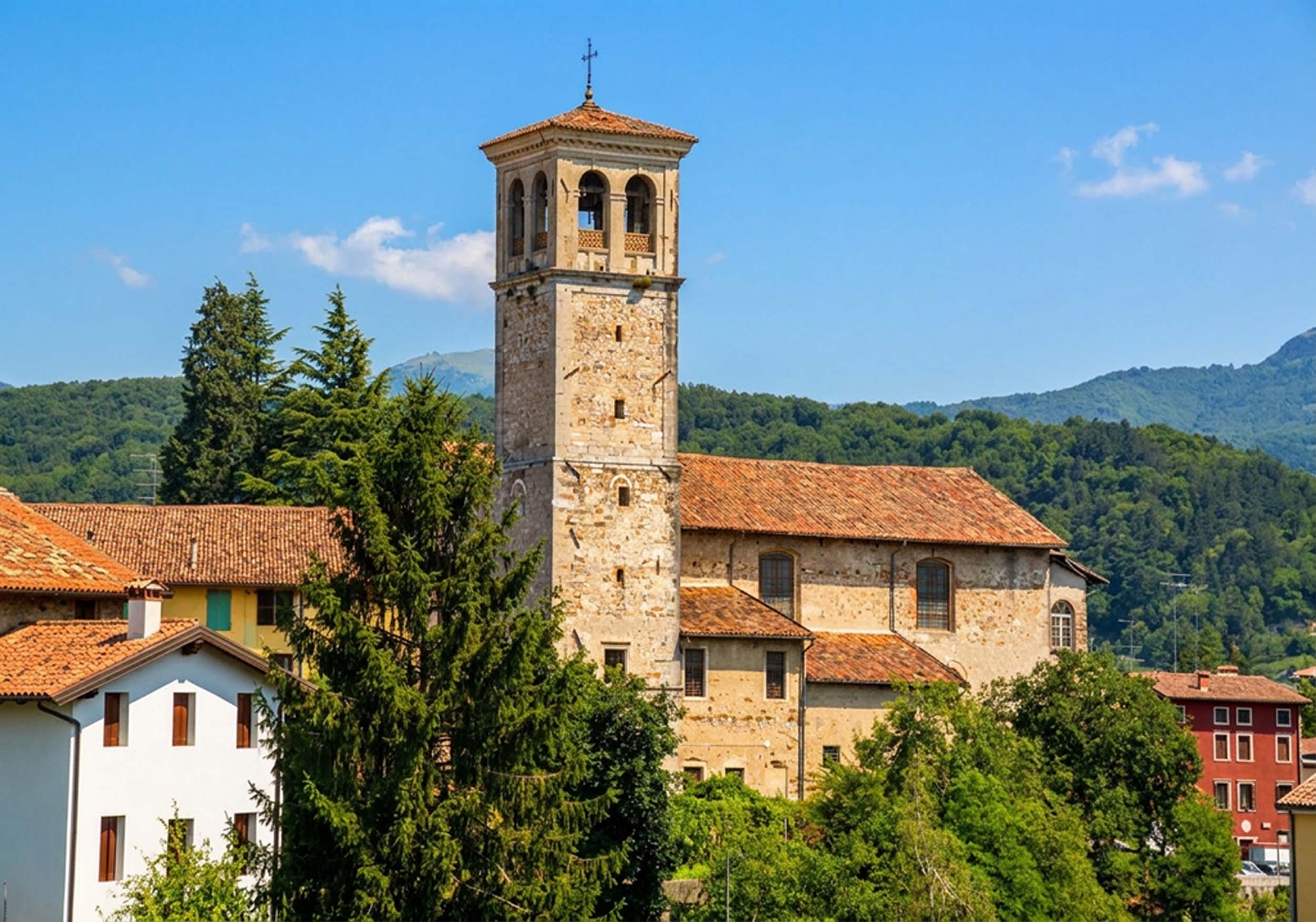
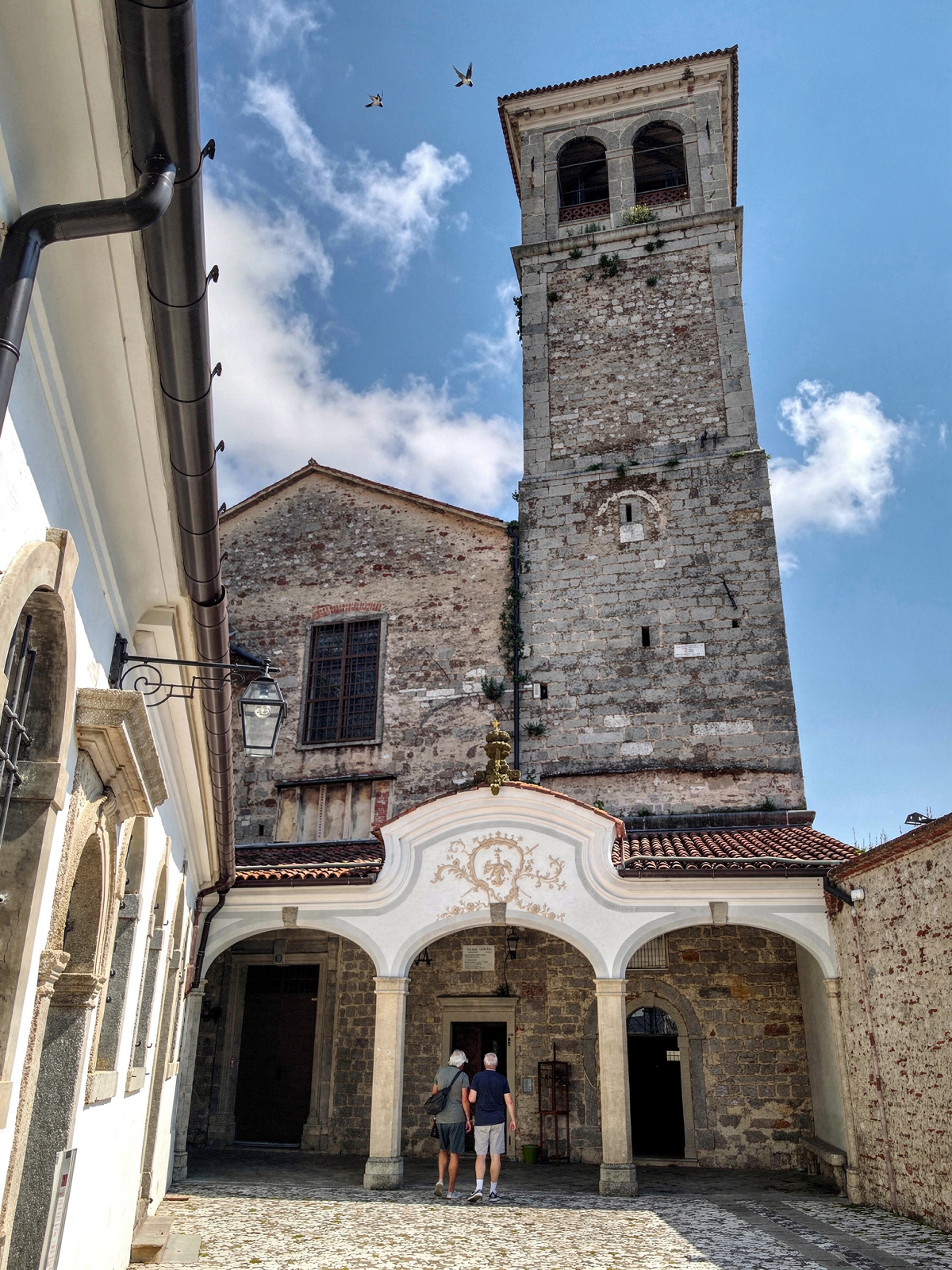
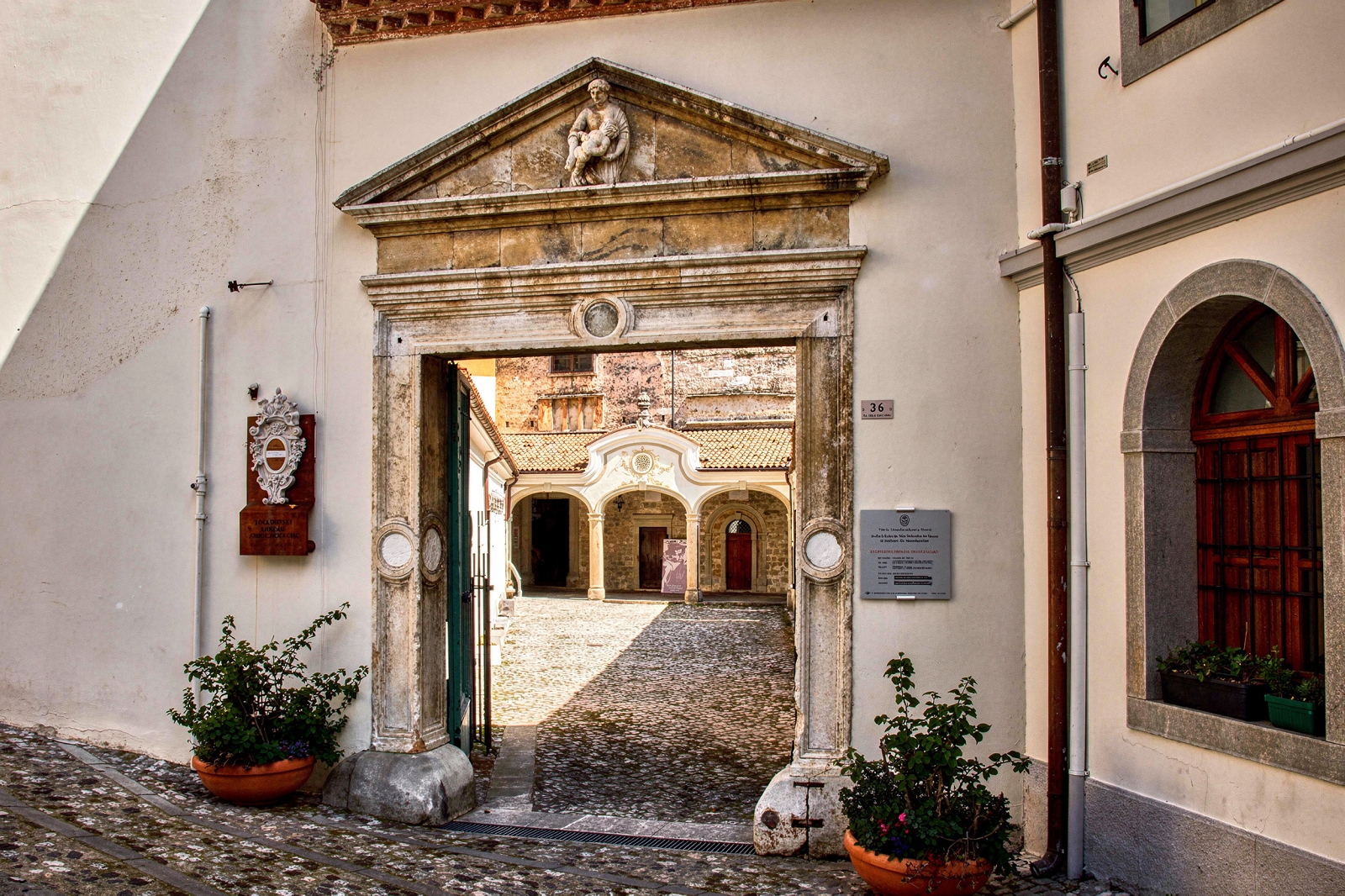
This prosperity encouraged the architectural growth of the Monastery complex, particularly between the 16th and 18th centuries, giving rise to the complex as we see it today, with its religious buildings and monastic spaces arranged around the large cloister.
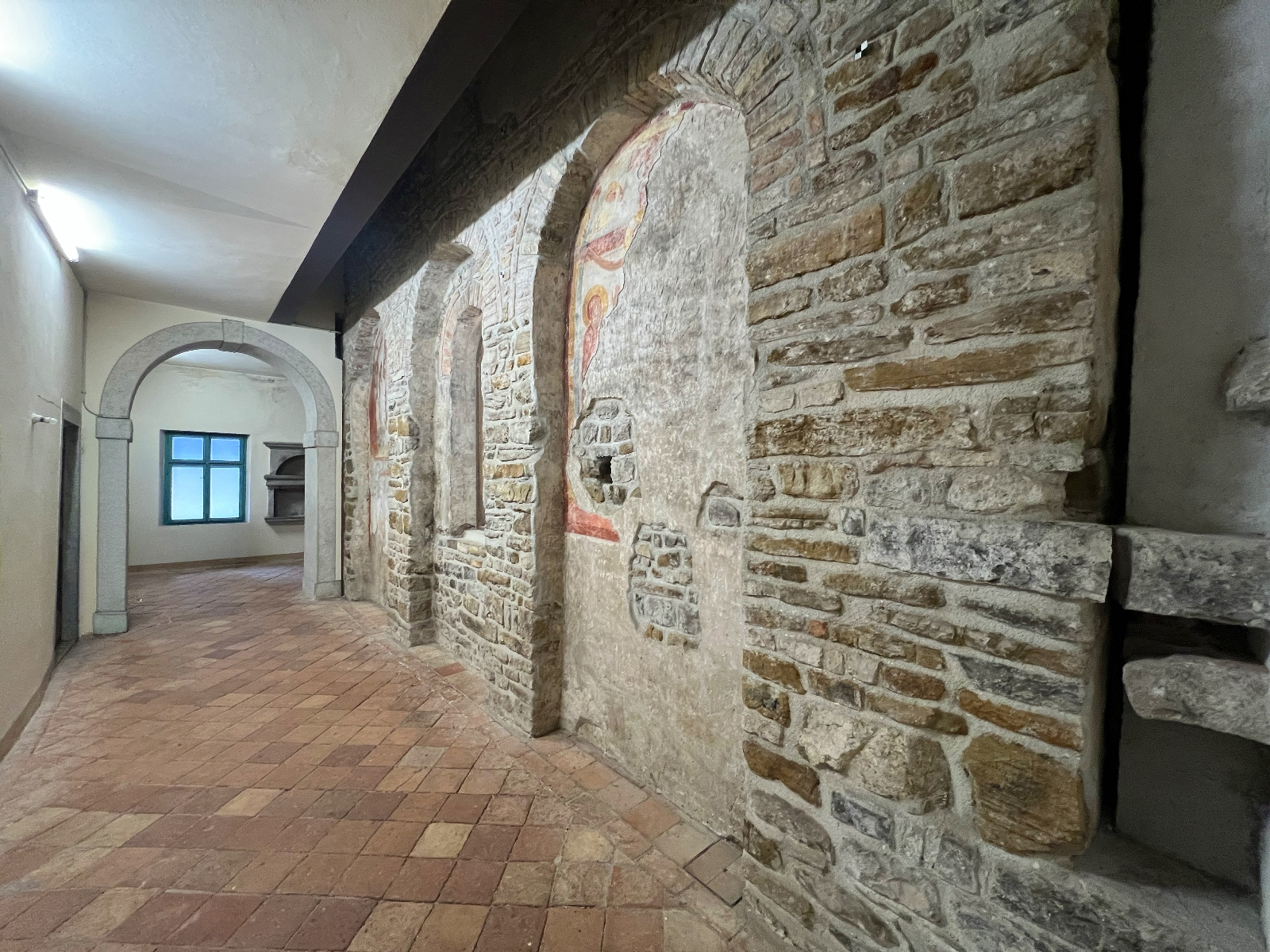
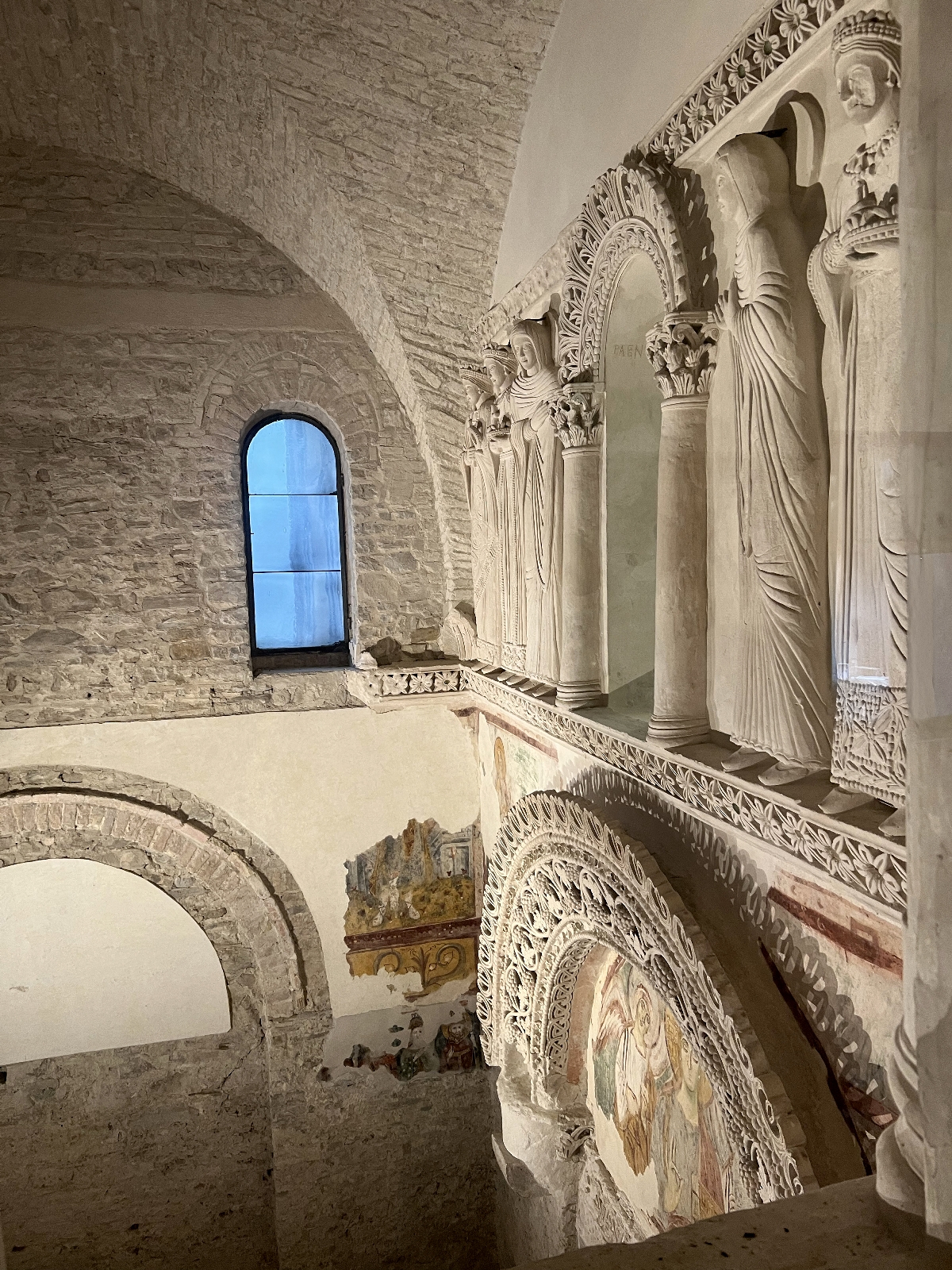
The site preserves the main monumental traces of the Lombard period, as well as the archaeological remains discovered during recent excavations – finds that are extremely important and promising, though still largely unexplored.
The Belvedere Vineyard
The Silence of the Monastery Complex
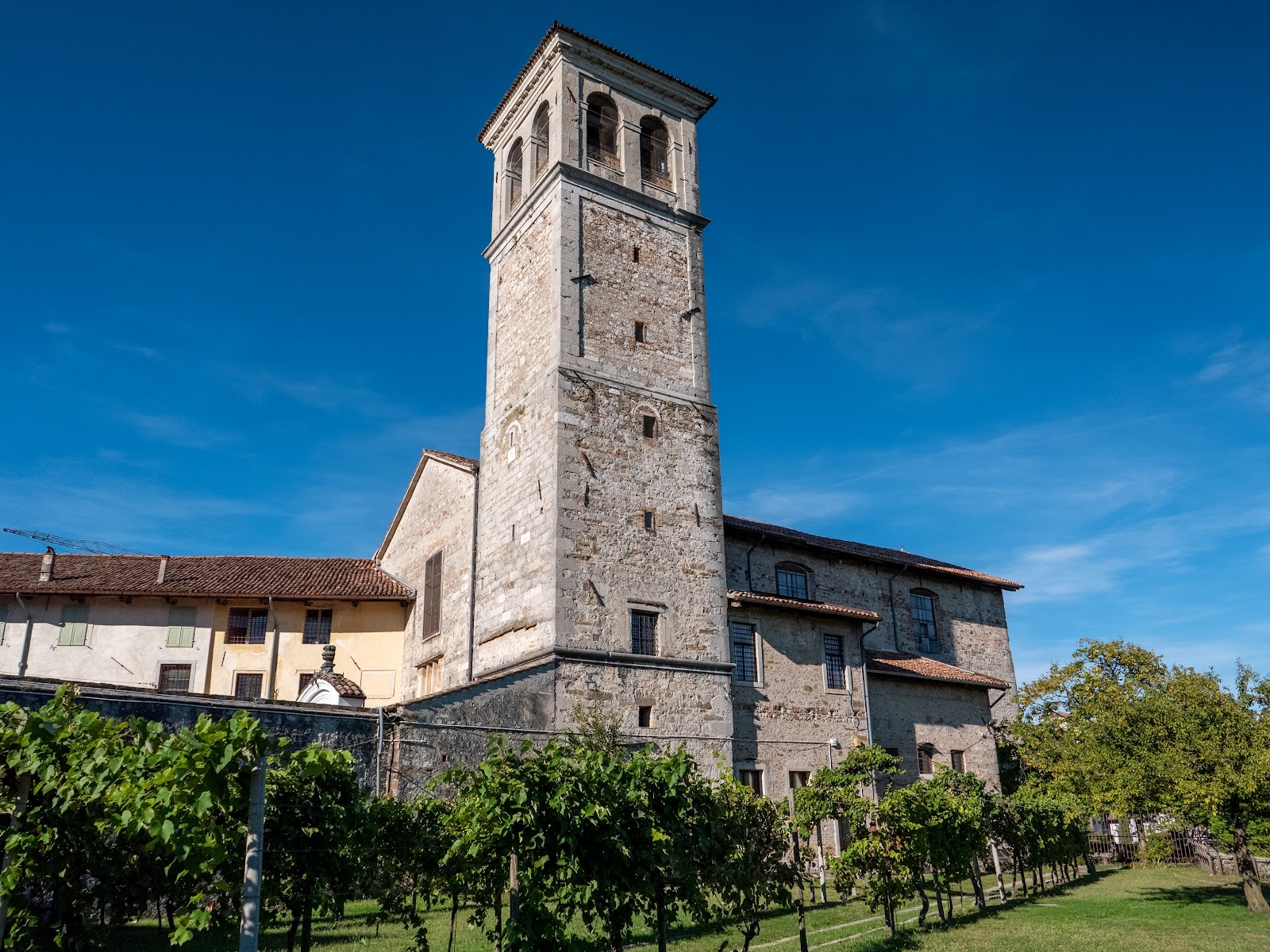
Walking among the rows of vines, visitors can experience the peace of monastic life: this area too was reserved for cloistered life and closed to the public. This is also where the nuns grew flowers and medicinal herbs in the small greenhouses near the Church of San Giovanni in Valle.
The vineyard can be visited during the Monastery’s opening hours and occasionally hosts small cultural or tourist events.
Gallery
Reserve the Venue for Public and Private Events
If you wish to reserve the Monastery’s spaces to celebrate your wedding or renew your vows, or to organise a public event of cultural and tourist significance, please visit the Events and News section.
Find out more