UNESCO
CIVIDALE DEL FRIULI
CAPITAL OF THE FIRST LOMBARD DUCHY
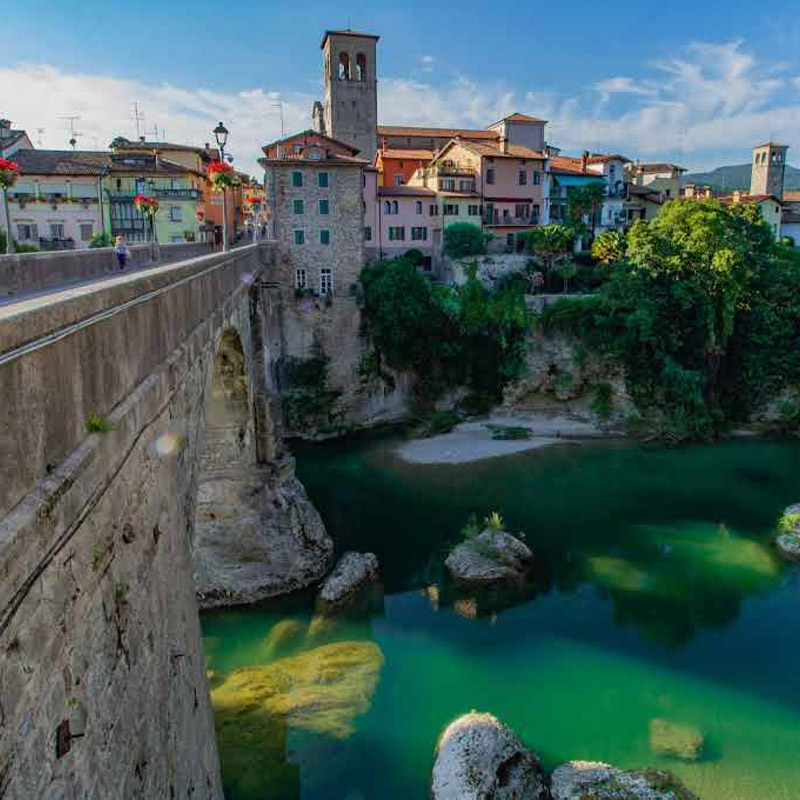
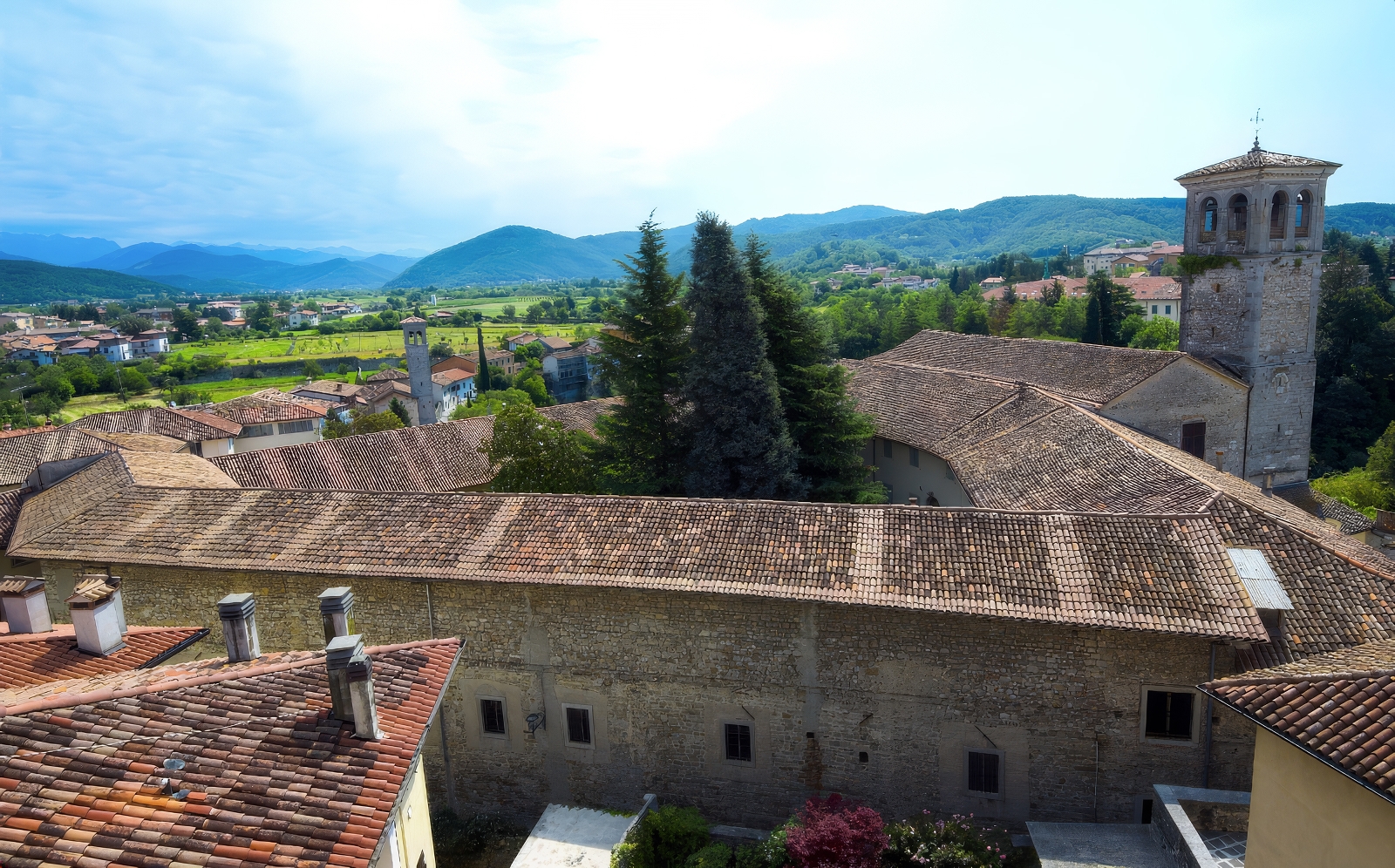
Cividale’s contribution to the UNESCO serial site is the Gastaldate area including
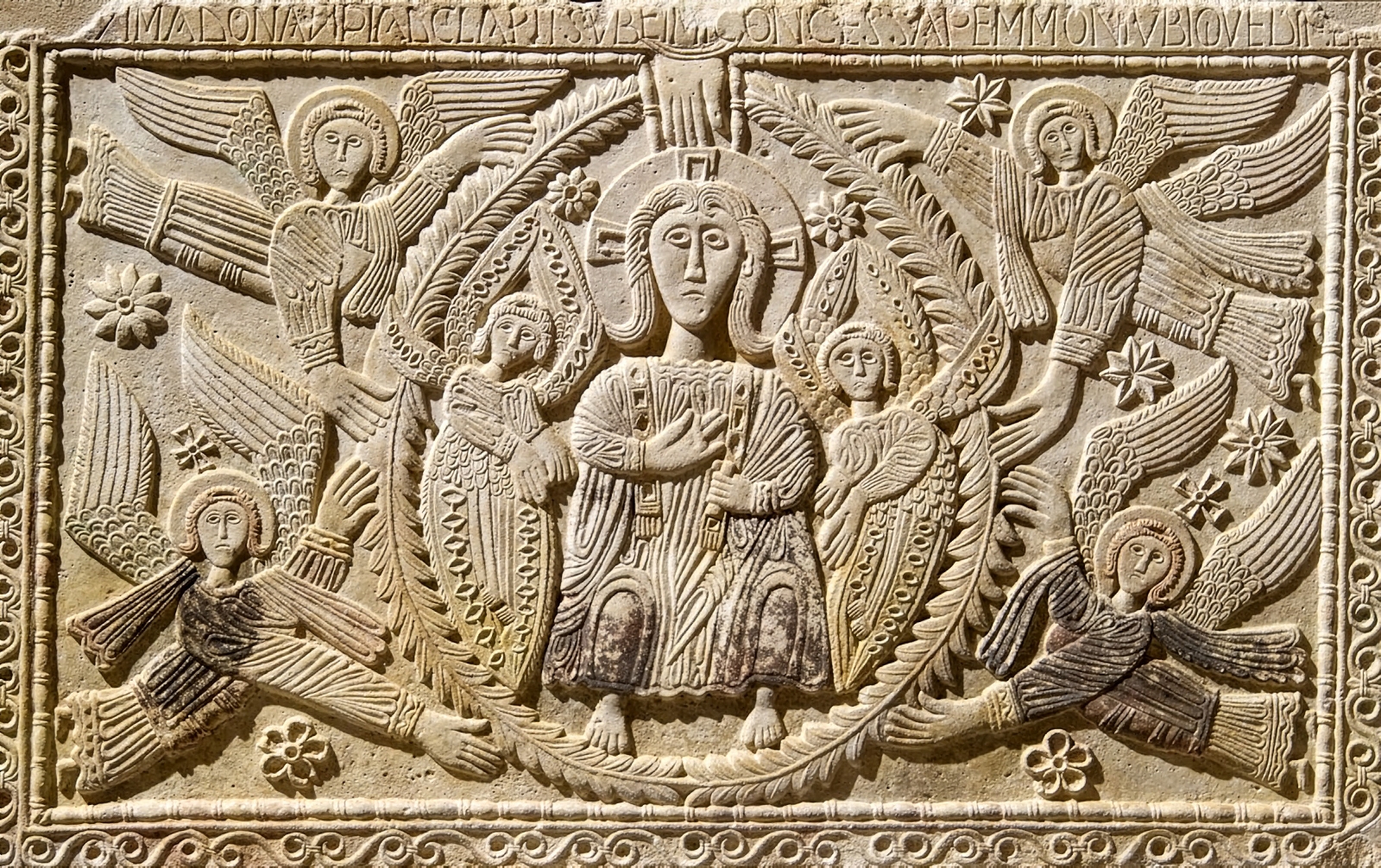
the Tempietto Longobardo and the Monastery, as well as the Episcopal Complex.
Cividale at the Lombard time, a World Heritage Site
The Lombard Gastaldate, which includes the Tempietto Longobardo and the Monastery of Santa Maria in Valle, has been a UNESCO World Heritage Site since 25 June 2011, as a part of the serial site “Longobards in Italy. Places of the Power (568-774 A.D.)”.
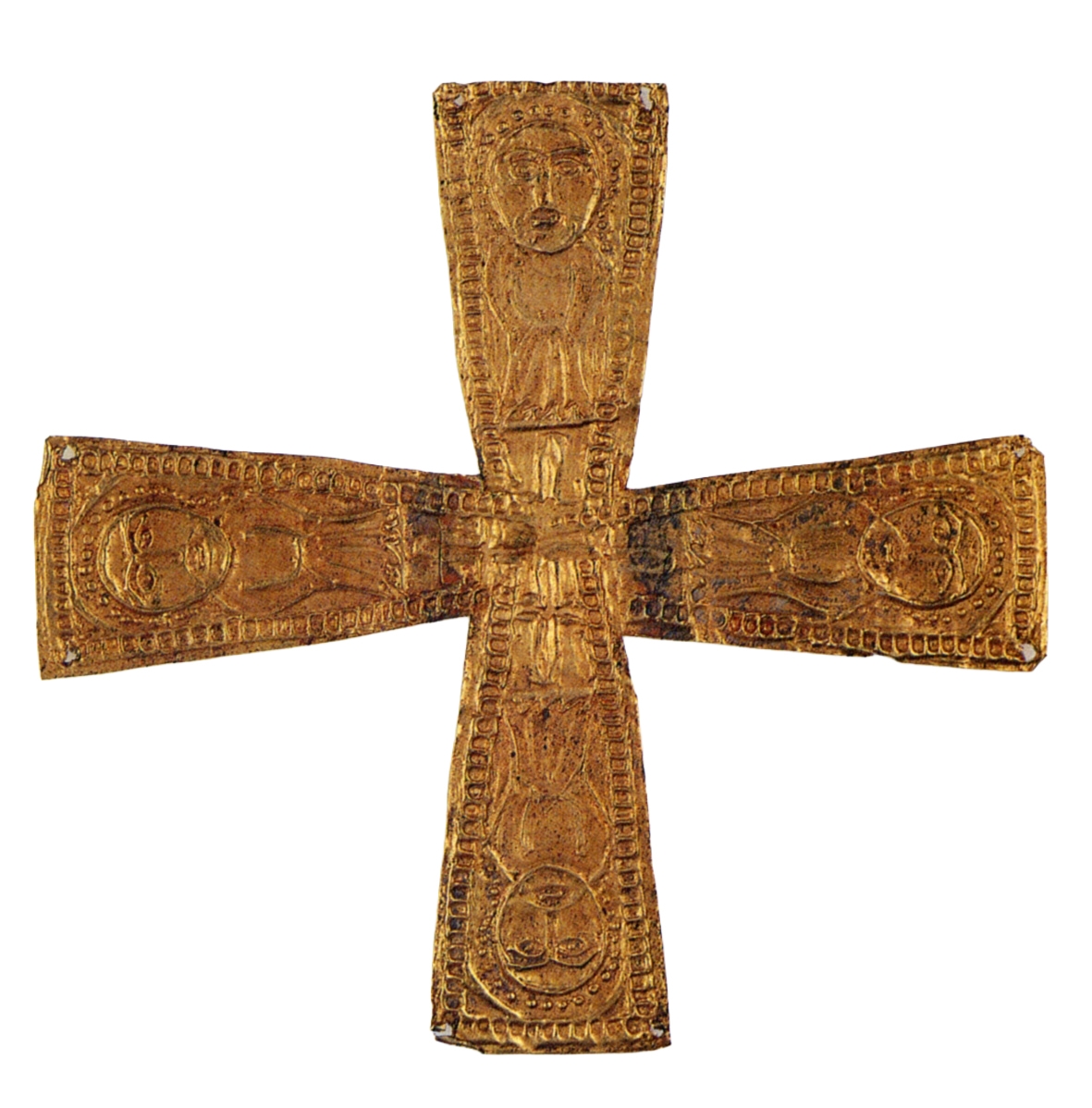
As well as the Gastaldate area, the UNESCO site also includes the remains of the Episcopal Complex – the religious centre and the Patriarch’s Palace renovated under Patriarch Callistus. The items are preserved and displayed in the Christian Museum and the Treasury of the Cathedral, and in the National Archaeological Museum.
In the Early Middle Ages, or at least from the Lombard period, the area where the Monastery would later rise was one of the town’s key strategic centres: the royal court, or more precisely the seat of the Gastald, the official responsible for managing the King’s property in Cividale and in the Duchy of Friuli.
Recent interpretations suggest that the area lay close to the ancient walls, near Porta Brossana, the eastern gateway to the town.
Modern excavations in several parts of the Monastery have not identified tangible remains from the Roman era; there are only clear traces of settlements from the Late Roman and Early Medieval periods, beginning in the 6th century.
Because it was close to one of the routes leading out of the town, this was a strategic place to set up a centre of power, following a pattern seen in other Gothic and Lombard cities.
A charter issued by Berengar I, King of Italy and later Emperor between the late 9th and the early 10th century, also mentions that the royal Gastaldate was located in the place known as Valle.
Gallery
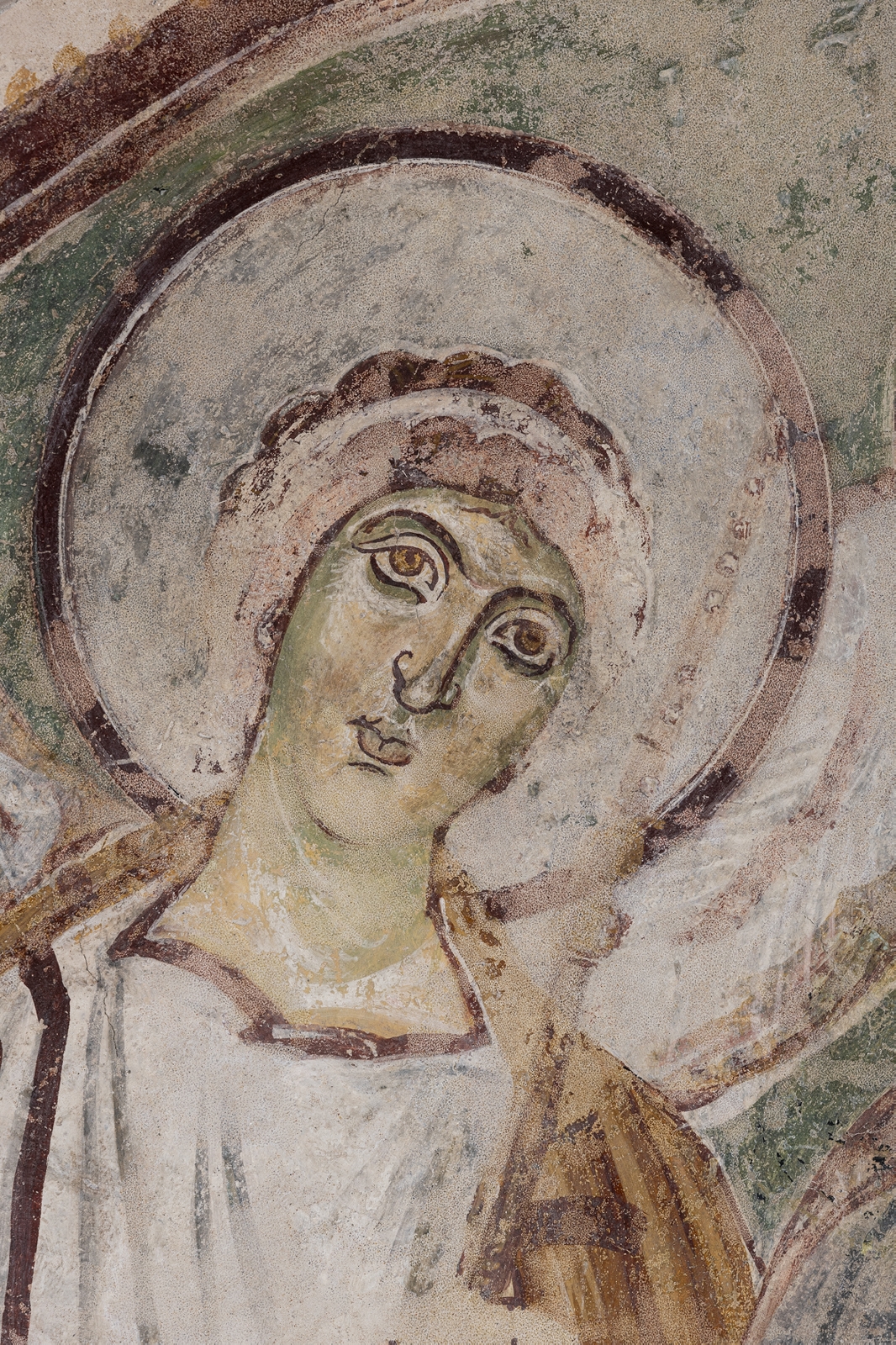
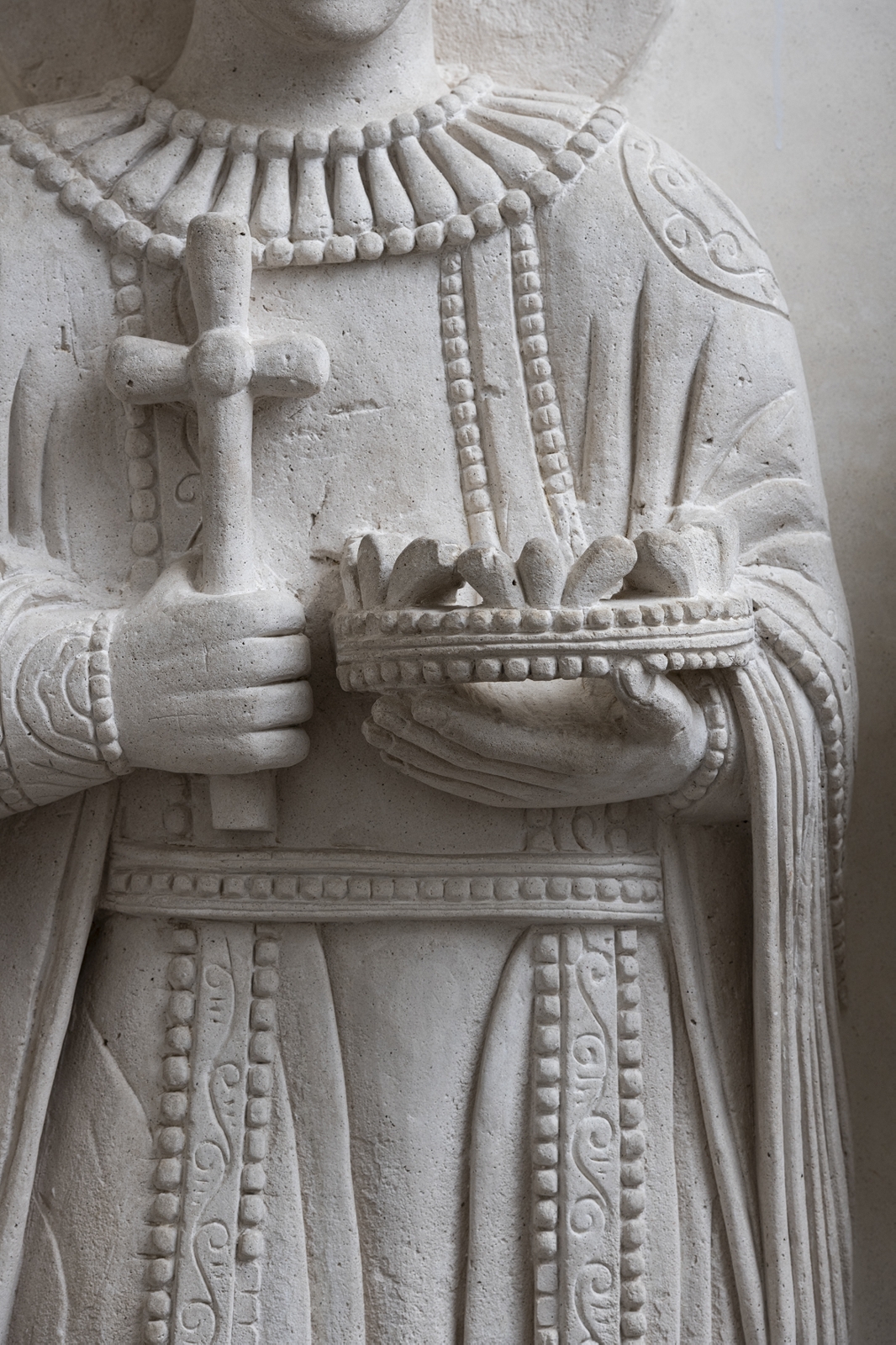
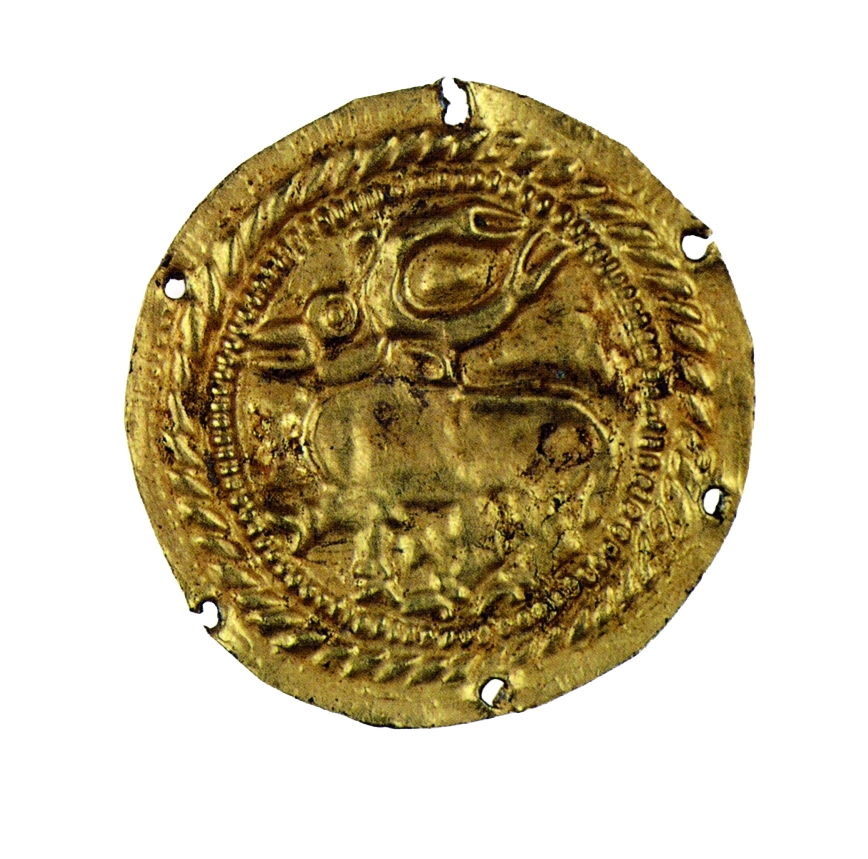
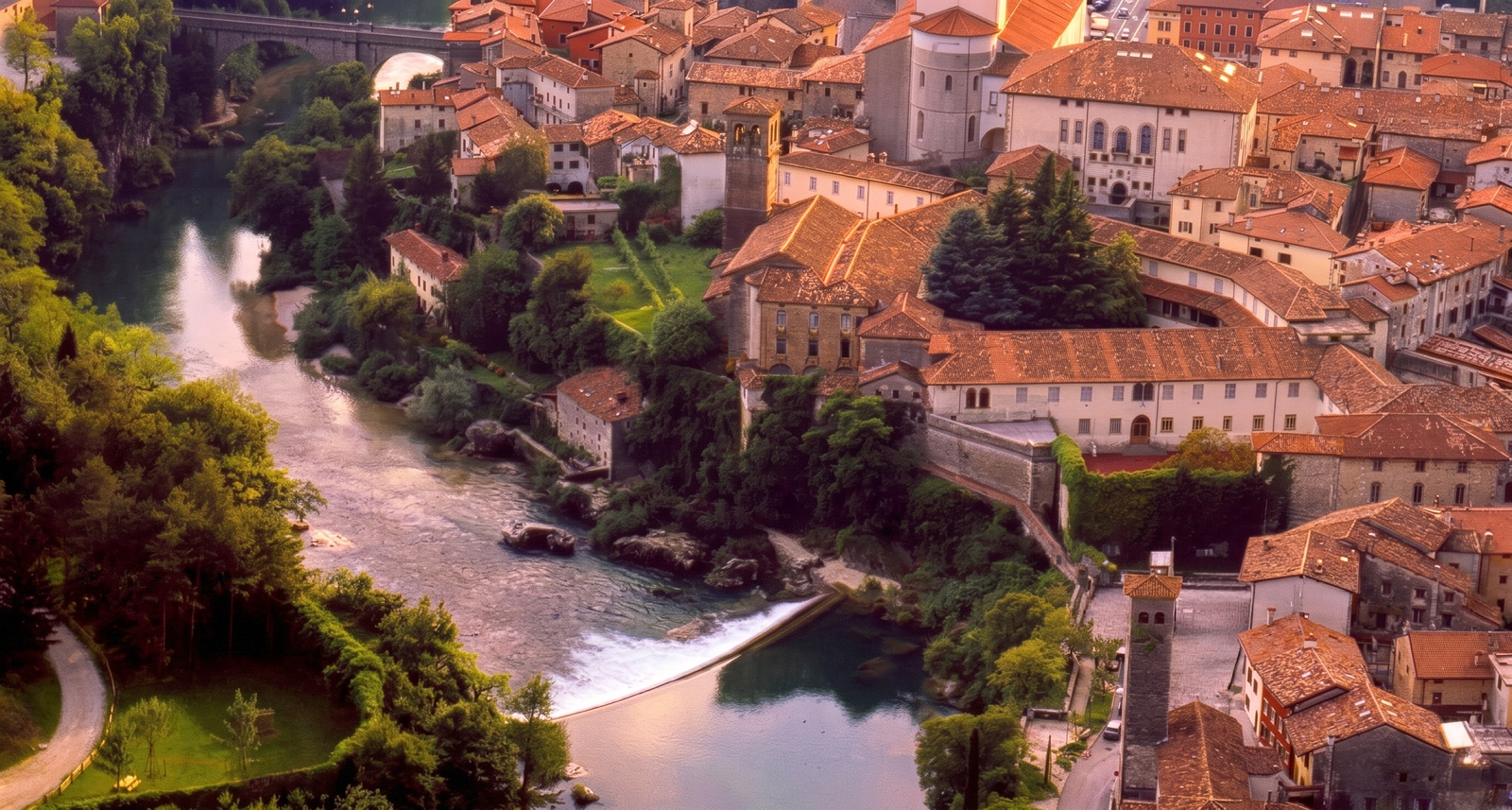
Longobards in Italy
The UNESCO Serial Site
“Longobards in Italy. Places of the Power (568-774 A.D.)” is a serial site included on the UNESCO World Heritage List since 2011.
A serial site is a UNESCO listing granted to a group of distinct locations, sometimes geographically distant from one another, united by a common historical or cultural theme.
“Longobards in Italy. Places of the Power (568-774 A.D.)” includes seven major monumental complexes situated across the Italian peninsula – fortified strongholds, churches, and monasteries – that bear witness to the high artistic level achieved by the Lombards.
The monumental and artistic expressions preserved within these sites show the extraordinary process of cultural exchange and integration set in motion by the Lombards, who succeeded in weaving together Classical‑Roman traditions, Christian spirituality, Byzantine influences, and Germanic heritage. This combination marks the transition from Antiquity to the European Middle Ages.
The serial site is managed by the association Italia Langobardorum, whose members are the municipalities hosting the UNESCO‑listed properties: Cividale del Friuli, Brescia, Castelseprio, Spoleto, Campello sul Clitunno, Benevento, and Monte Sant’Angelo.
The Monastery of Santa Maria in Valle and the Tempietto Longobardo were listed on the UNESCO World Heritage Sites in 2011 as a part of the Italian serial site “Longobards in Italy. Places of the Power (568–774 A.D.)”.